Blog
Ottoman Bed With Headboard or Without? Styles and Colours

Key takeaways
- Choose a headboard if you sit up to read or watch TV, and go without if the bed sits under a window, a sloped ceiling or in a tight alcove.
- Panel, button-tufted, winged, slatted and wooden headboards each suit a different room style and level of back support.
- Fabric feels softest, wood is easy to wipe and faux leather is the lowest-maintenance finish, so match the finish to how you live.
- Grey, black and brown each work well, and lighter neutrals help small rooms feel more open.
- Always check total bed length and width, and leave clear space for the base to lift.
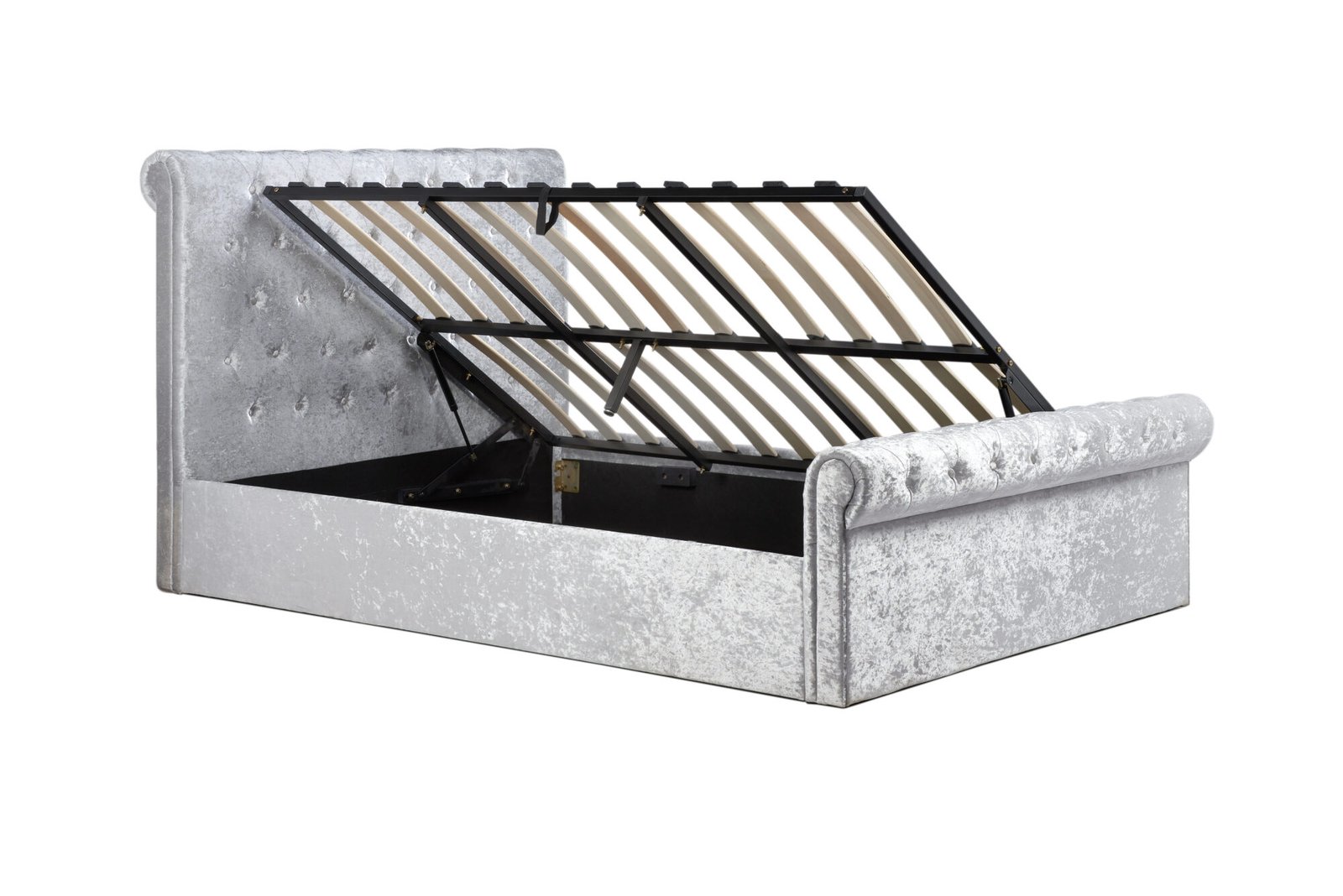
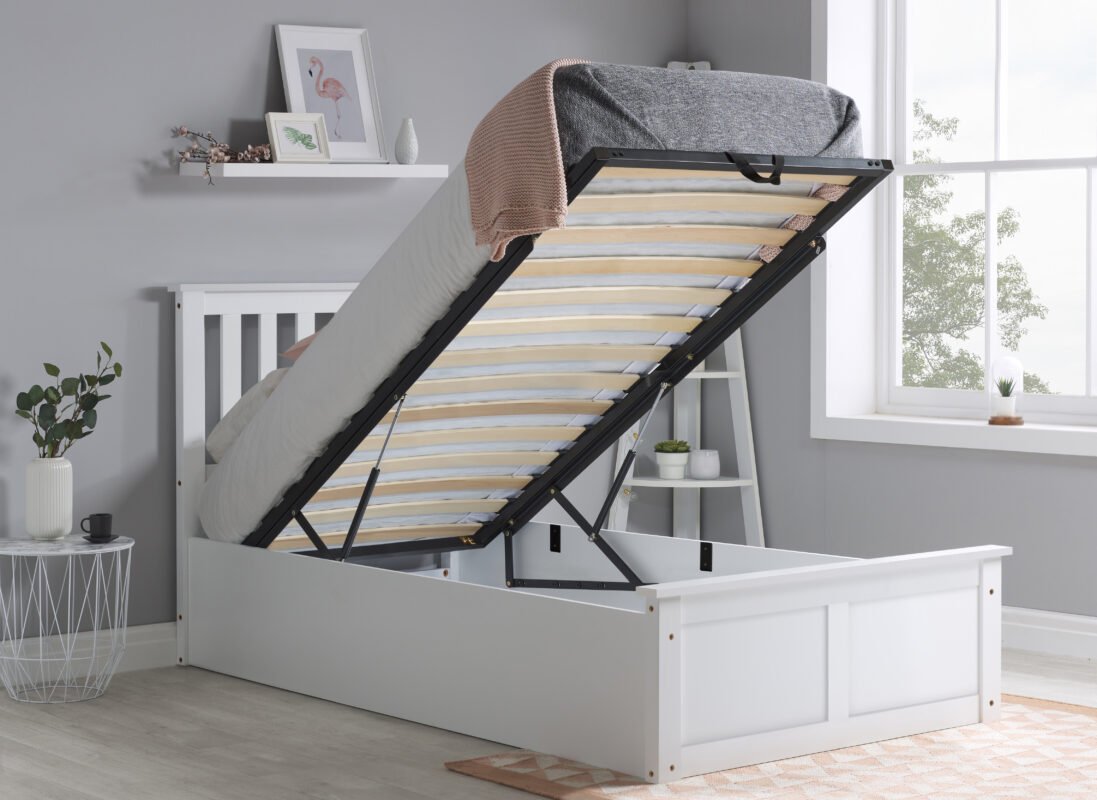
An ottoman bed with headboard gives you a comfortable backrest for reading and a ready-made style statement, while an ottoman bed without a headboard saves wall space and fits under windows or sloped ceilings. If you sit up in bed often and have a clear wall, choose a headboard. If space is tight, go without.
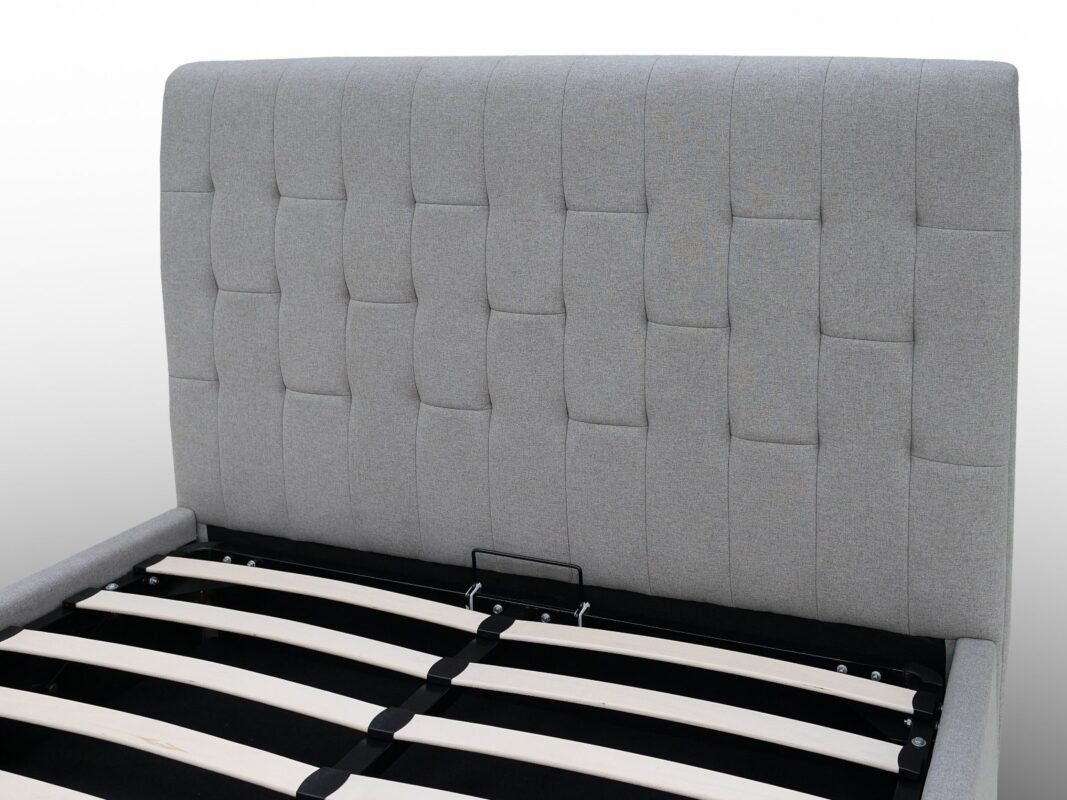
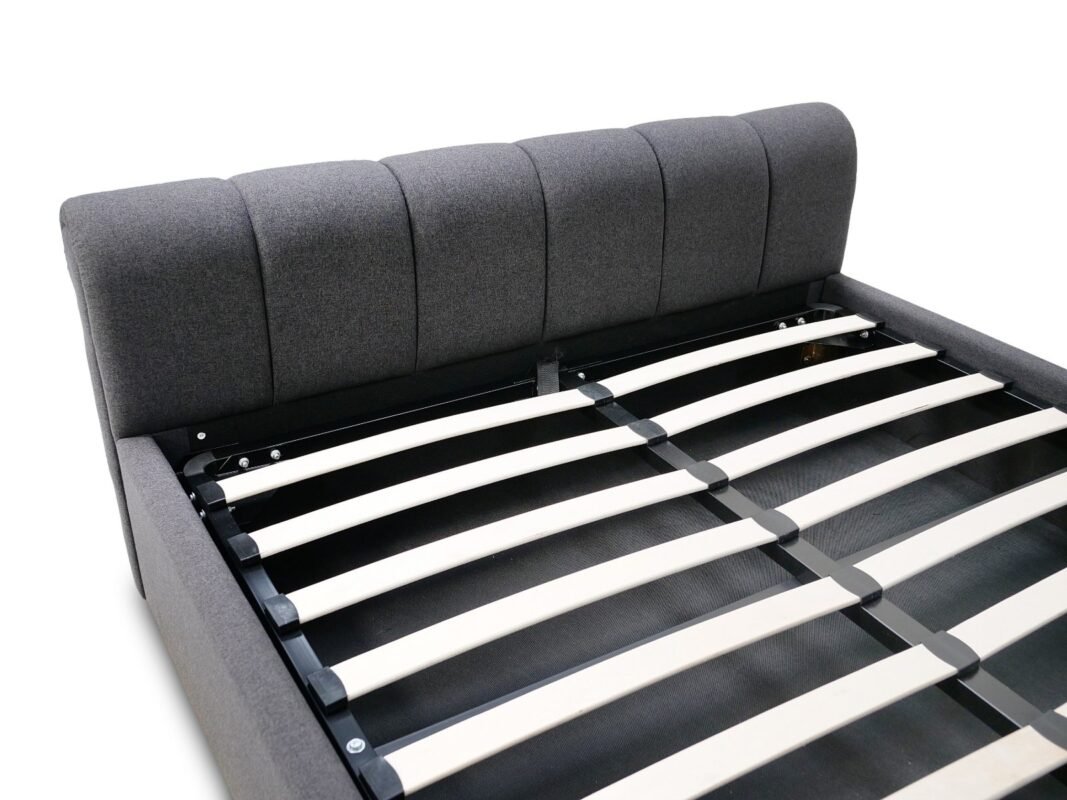
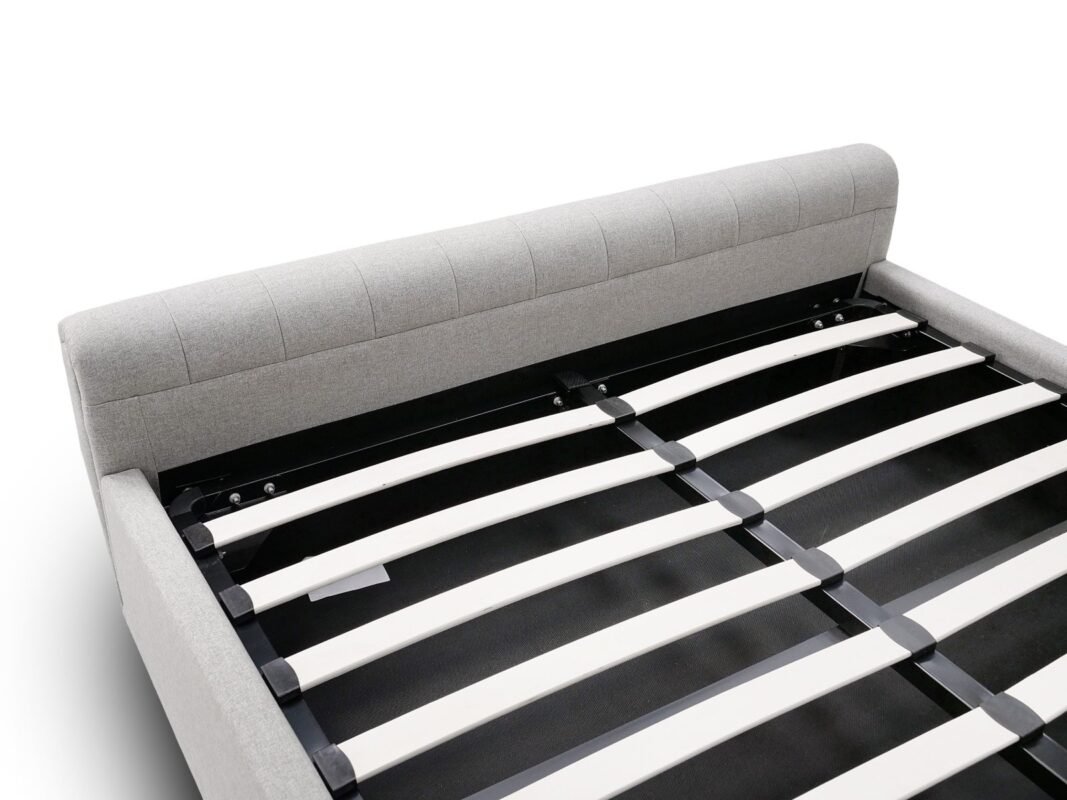
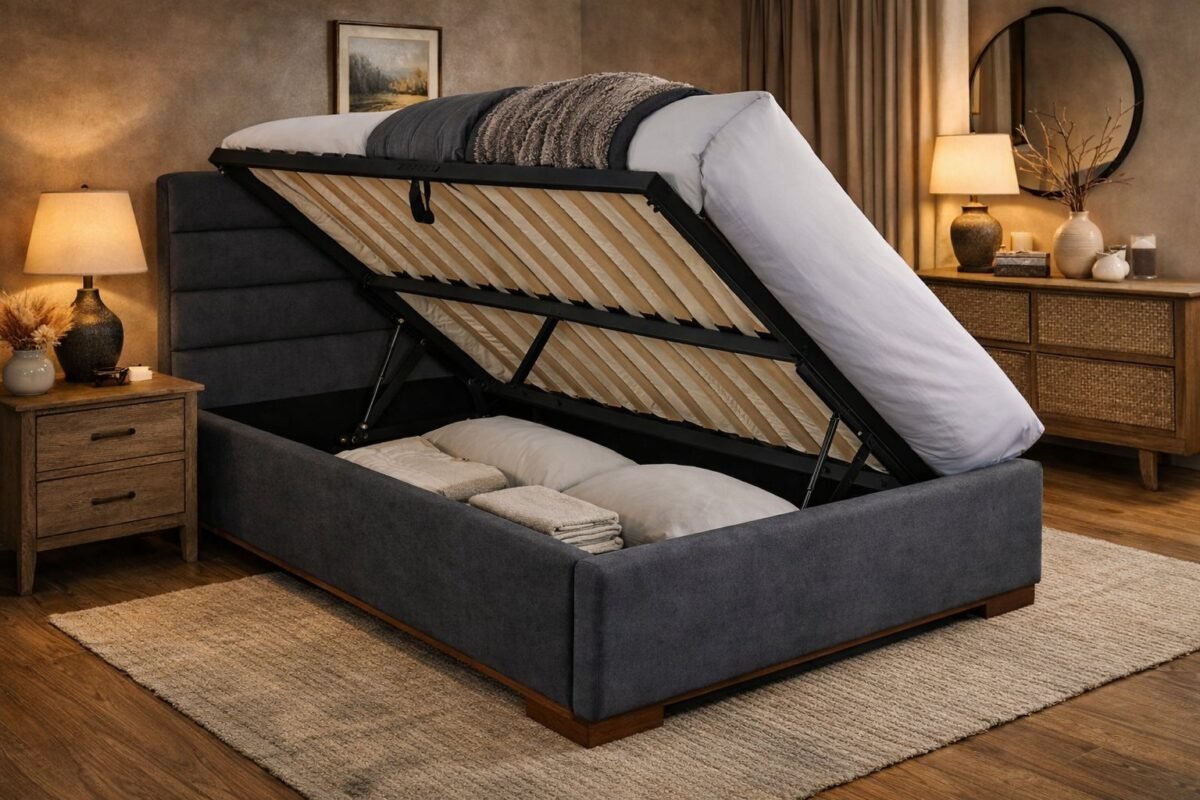
If you’re weighing up the two, this guide walks you through headboard styles, finishes, colours and the measuring checks that matter. The storage works the same either way: the whole base lifts up to reveal a space the full size of the mattress.
Ottoman bed with headboard or without: which is better?
Neither is better in every room. It comes down to how you use the bed and what your walls and ceiling allow. A headboard-free ottoman bed usually has the same lifting mechanism as the headboard version, so you don’t lose storage by going without.
When a headboard makes sense
- Comfort: a padded headboard gives you something soft to lean on when you read or use a tablet.
- Protection: it keeps pillows from slipping behind the bed and stops your wall getting marked.
- Style: it gives the bed a focal point, so the room looks finished without extra decor.
When no headboard is the smarter choice
- Under a window: a tall headboard can block light or clash with a sill.
- Sloped or low ceilings: loft rooms and attic bedrooms often have no room for a tall back.
- Small rooms and alcoves: a flat-ended frame can sit tight to the wall and make the room feel bigger.
- Bedside tables: without a tall headboard, you have more freedom over what sits beside the bed. This overview of ottoman beds without headboards makes a similar point about placement flexibility.
Not sure a headboard-free bed will feel finished? You can always add a separate wall-mounted headboard later, which gives you the look without committing to one frame design.
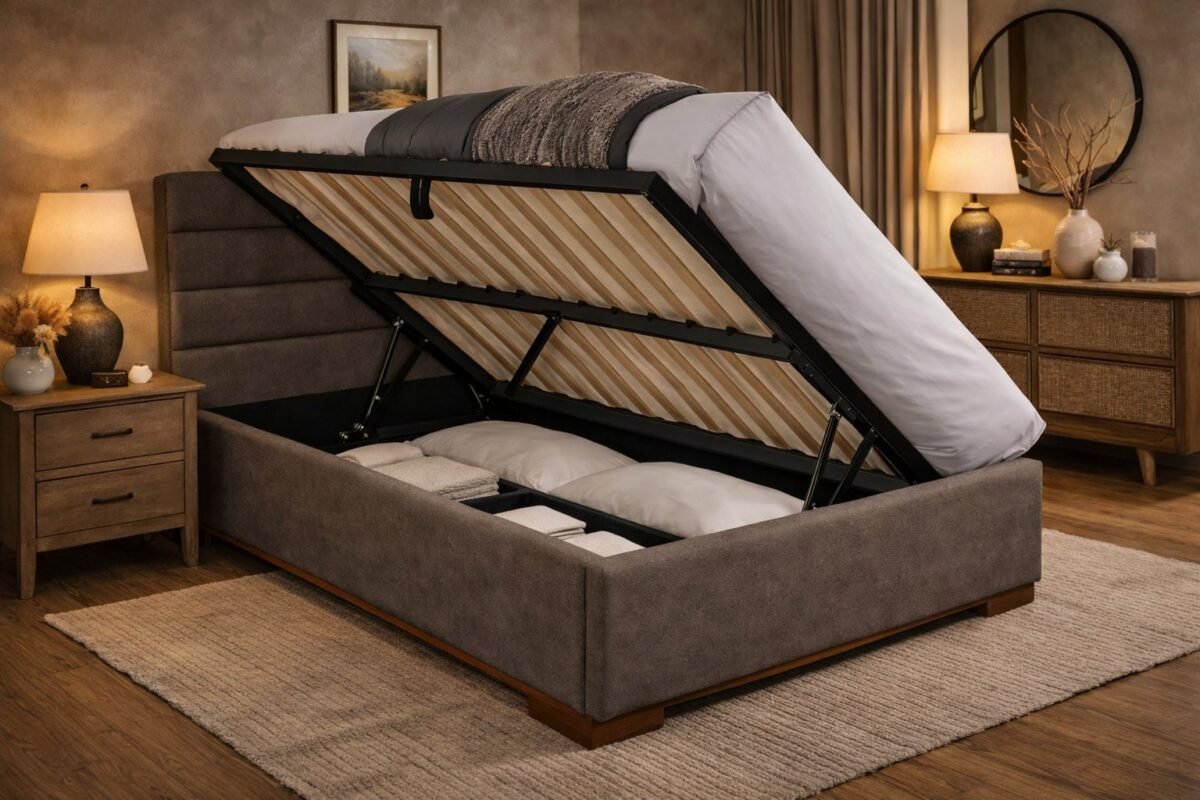
What headboard styles can you get on an ottoman bed?
Headboard shape changes both the comfort and the feel of the room. These are the styles you’ll see most often when you browse our Ottoman Beds.
- Panel (flat): a simple padded or plain rectangle. It’s clean, modern and easy to pair with most bedroom furniture.
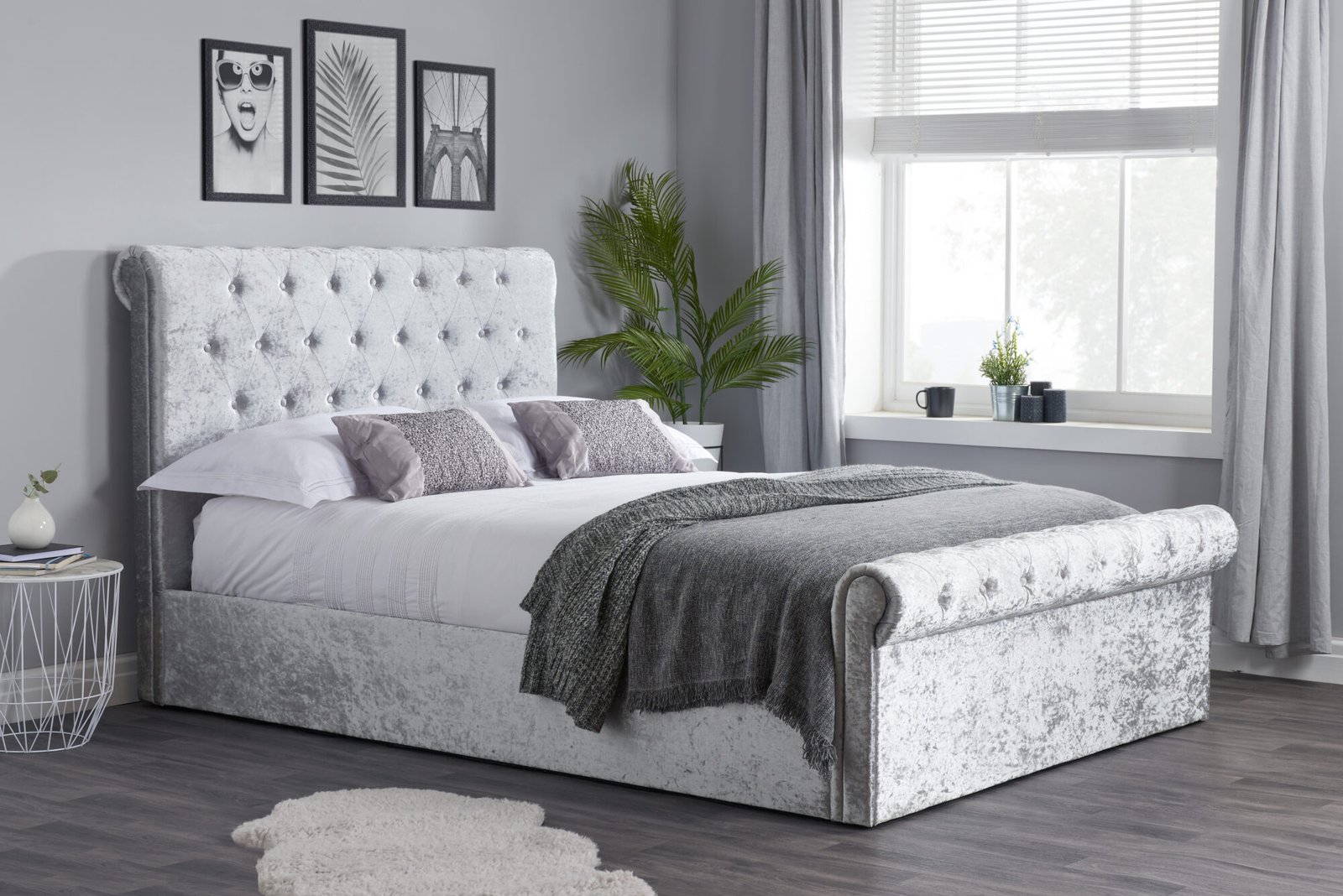
- Button-tufted: deep buttons create a classic, slightly dressy look and a softer feel against your back.
- Winged: side panels wrap out from the main board, giving a hotel-style frame and some draught protection.
- Slatted: vertical or horizontal slats add a lighter, more contemporary look, though they are less padded.
- Wooden: a solid or veneer-style board suits natural, Scandi or country decor.
Taller and winged designs look dramatic but need more wall height and clear space on either side. Check the listed headboard height before you order, particularly if you have a window or shelving above the bed.
Fabric, wooden or faux leather: which finish suits you?
The finish affects how the bed feels, how it ages and how much effort it takes to keep tidy. Here’s a quick comparison.
| Finish | Feel and look | Best for | Care |
|---|---|---|---|
| Fabric (velvet, linen-effect) | Soft, warm, textured | Cosy bedrooms, adults who like to sit up | Vacuum regularly; spot-clean spills quickly |
| Wood | Solid, natural, practical | Scandi, rustic or minimalist rooms; kids’ and guest rooms | Wipe with a lightly damp cloth; avoid soaking |
| Faux leather | Smooth, sleek, modern | Busy households, easy-wipe surfaces | Wipe clean; keep away from direct heat |
A quick note on safety labels
Upholstered beds, including fabric and faux leather frames and headboards, sit within the UK’s Furniture and Furnishings (Fire) (Safety) Regulations. A compliant bed should carry a permanent label, so look for it when your bed arrives. Beds are also tested against the current bed standard, BS EN 1725:2023, which covers strength, stability and durability.
Which colour works best: grey, black, brown or neutral?
Colour does more to set the mood of a bedroom than almost anything else you buy. Here’s how the popular choices behave.
- Ottoman bed grey: the safe all-rounder. Light and mid greys suit white, cream, blue and green walls, and they hide everyday marks well.
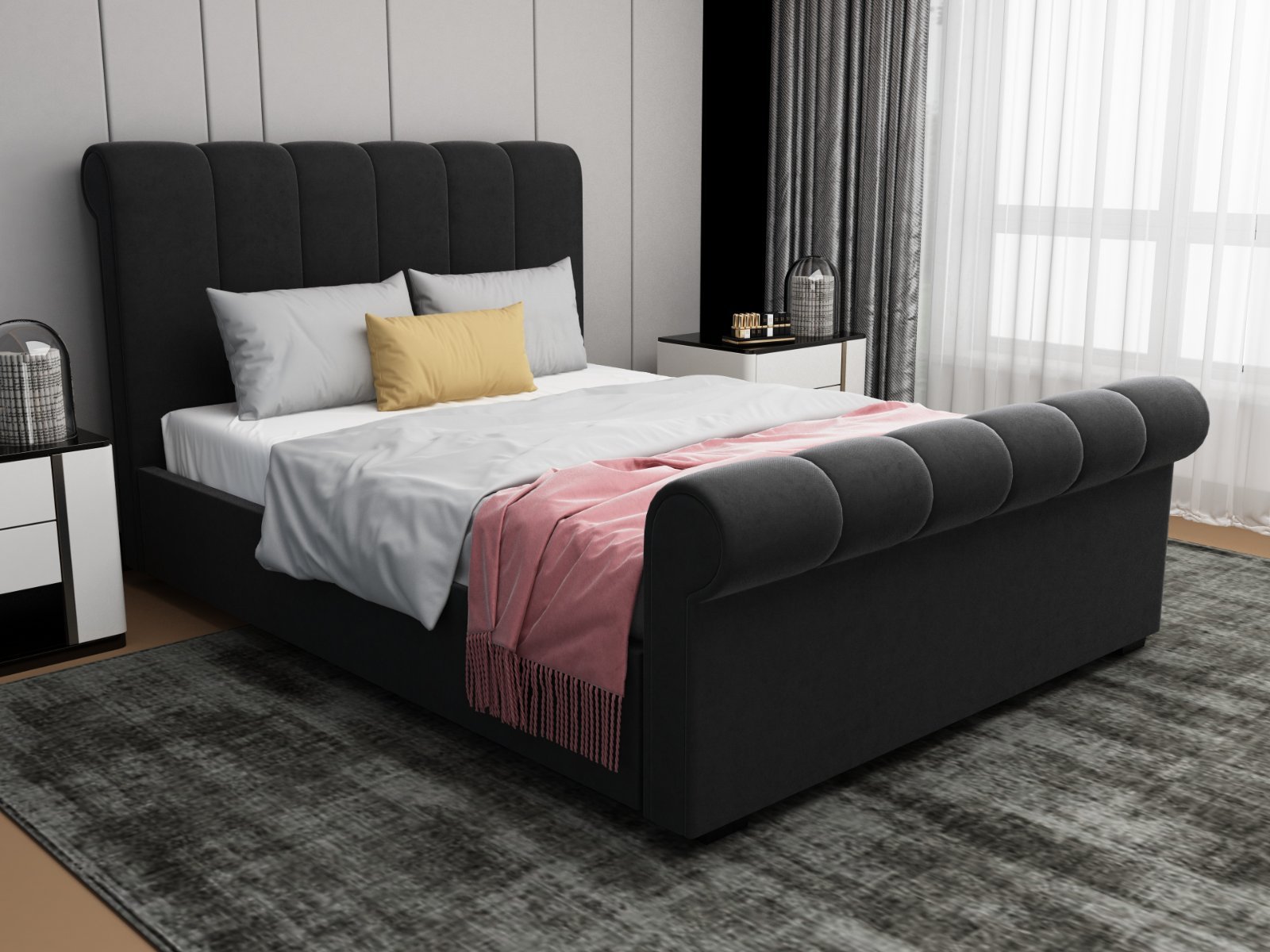
- Ottoman bed black: bold and modern. Black works best in larger rooms or with pale walls, and it looks sharp against white or light wood bedding and accessories.
- Ottoman bed brown: warm and grounding. Brown, whether wood-effect or upholstered, suits natural, rustic and earthy palettes.
- Neutrals (cream, beige, light stone): they reflect light and help small bedrooms feel calmer and more open.
A simple rule: in a small or dark room, go lighter. In a bigger room with plenty of daylight, you can afford darker tones. If you aren’t sure, choose grey or a soft neutral and add colour with bedding and cushions, which are easy to change.
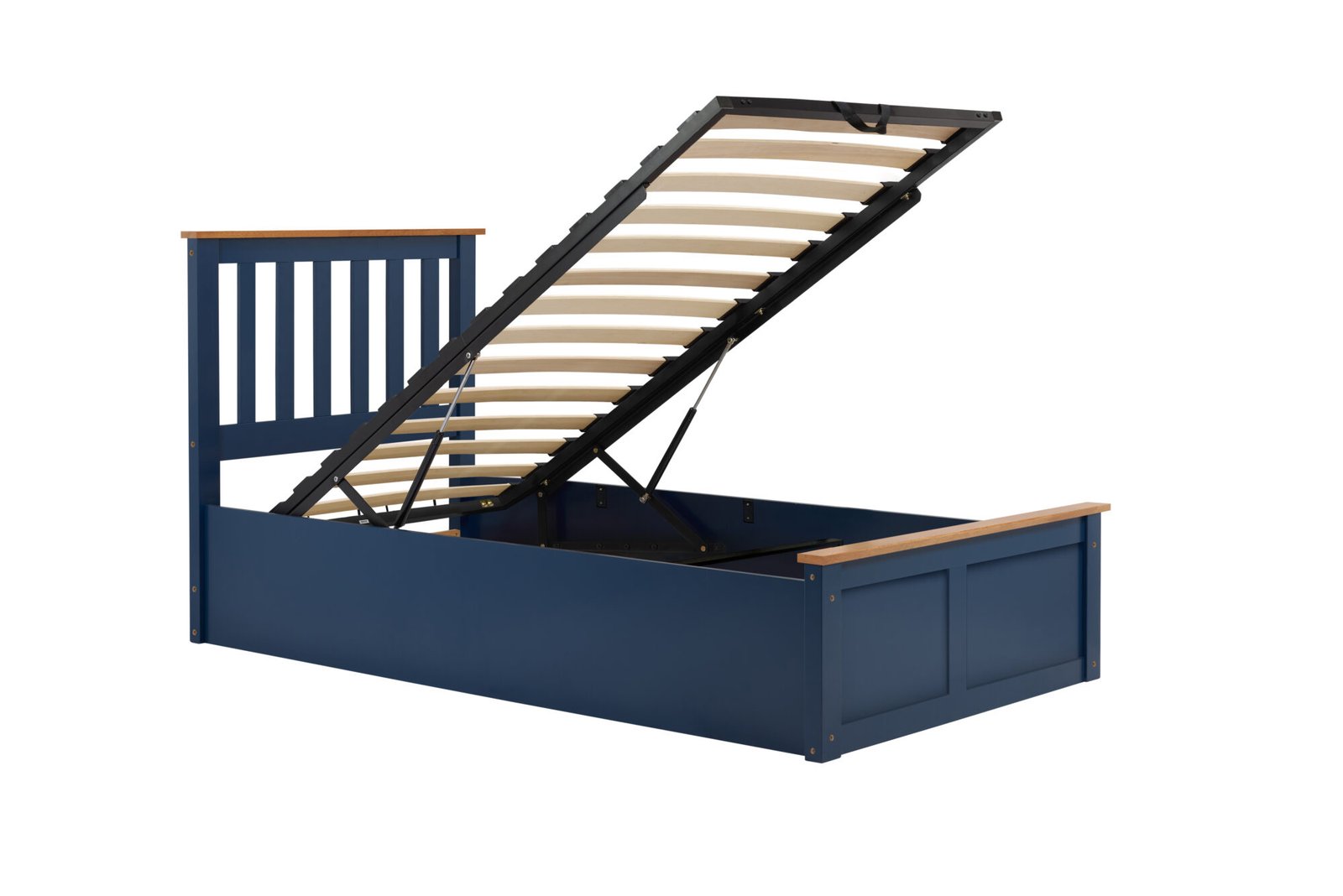
How do you match an ottoman bed with other bedroom furniture?
A matching look doesn’t mean everything has to be identical. Aim for one shared element, such as colour, wood tone or handle style, and let the rest vary.
- Start with the bed. It’s the largest piece, so pick its colour and finish first.
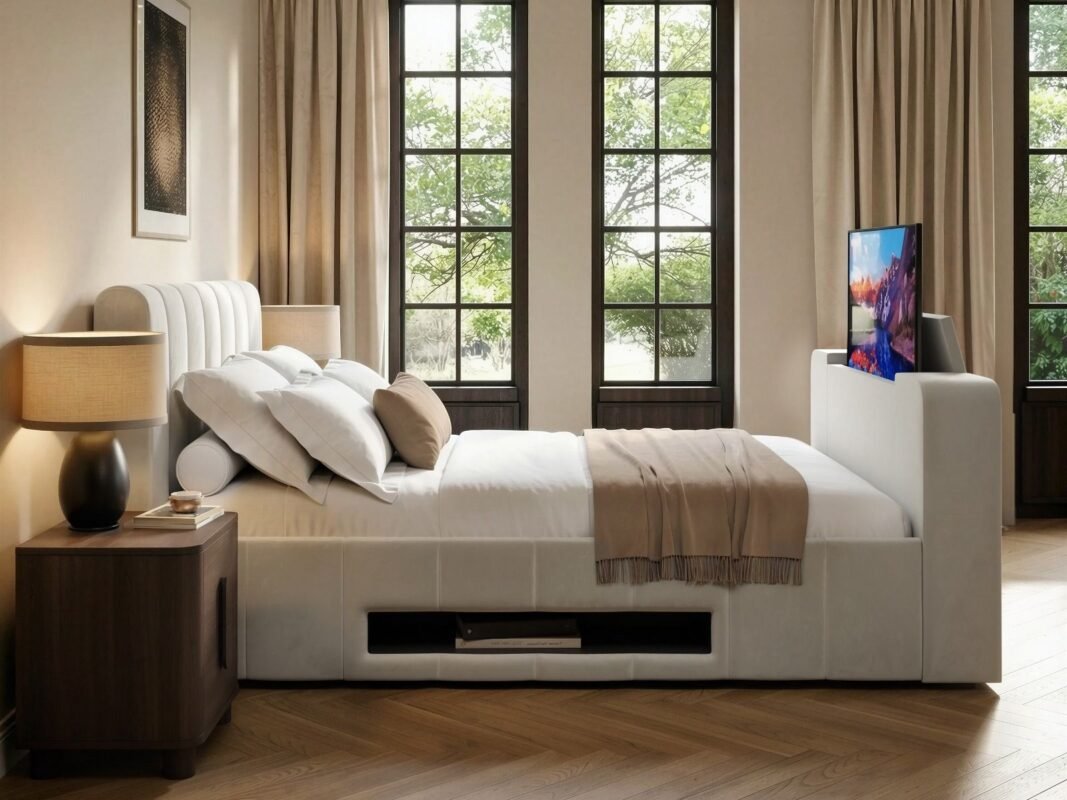
- Add Bedside tables. Choose ones that sit just below mattress height. If your headboard is tall or winged, check there’s room for them on either side.
- Choose a Chest of drawers. It holds daily clothes close to hand, while the ottoman base takes bulkier items such as spare bedding and out-of-season clothes. Our guide on what fits in an ottoman bed shows how to plan that split.
- Finish with Wardrobes. A wardrobe in a similar tone ties the room together without needing to be an exact match.
You can browse bedroom furniture alongside your bed, so it’s easy to compare colours and finishes in one place.
What practical checks should you make before buying?
Style gets you to a shortlist. Measurements get you to the right bed.
Measure the bed and the room
- Total length and width: the frame is larger than the mattress, and a headboard can add further length. A standard double mattress is 135 x 190cm and a king size is 150 x 200cm, but always check the listed bed dimensions, not just the mattress size.
- Headboard height: check it against window sills, shelves, radiators and sloped ceilings.
- Space for the lift: an end-lift bed needs clear floor at the foot. A side-lift bed needs room beside it. Aim for at least 50-60cm free where the base opens.
- Bedside tables and doors: make sure doors and drawers can still open fully when the bed is in place.
Check access and assembly
Measure doorways, hallways and stairs, because bulky boxes need to get through them. Most ottoman beds arrive flat-packed and need assembling, so allow time and a second pair of hands. Also have a look at the Ottoman Beds buying guide for more on sizes and small-room planning.
Check the mattress
The base is a solid platform, so most mattress types work well. Check the mattress depth against any headboard or frame recess and the total weight the base can handle.
Quick style picker: which ottoman bed suits you?
| Your situation | Best choice | Colour idea |
|---|---|---|
| Read or watch TV in bed | Padded panel or winged headboard | Grey or neutral fabric |
| Bed under a window | No headboard, or a low panel | Light neutral |
| Loft or sloped ceiling | Ottoman bed without headboard | Light grey or wood tone |
| Classic, traditional room | Button-tufted headboard | Brown or cream |
| Modern, minimal room | Slatted or flat panel | Black or grey |
| Busy family home | Wooden or faux leather finish | Mid grey or brown |
Still deciding between storage types? Our comparisons of divan beds and ottoman beds and ottoman, divan and drawer beds help you weigh up the options.
Conclusion
The right ottoman bed is the one that suits how you use your room: a headboard for comfort and style, or none for flexibility and space. Pick the finish and colour that fit your decor and lifestyle, check your measurements, and you’ll have a bed that works hard every day.
Browse the full Furnmart range of Beds, Mattresses, Sofas and Furniture, with delivery across UK Mainland and Multiple Payment Options.
Frequently asked questions
Can you get an ottoman bed without a headboard?
Yes. Many ottoman beds are available with a plain end or without a headboard, and the lift-up storage base works in the same way. They suit rooms with windows above the bed, sloped ceilings or tight alcoves.
Does a headboard reduce the storage in an ottoman bed?
No, the storage sits in the base under the mattress, not in the headboard. A headboard changes the look, comfort and overall length of the bed, but the usable storage space is the same size for the same base.
Can I add a headboard to an ottoman bed later?
Sometimes. A separate wall-mounted headboard is the easiest option, as it works with a headboard-free bed without altering the frame. If you want a fitted headboard, check whether it is sold as an option for your bed before you buy.
What colour ottoman bed is best for a small bedroom?
Light grey, cream and soft neutral shades usually work best, as they reflect light and make a room feel more open. Black and darker brown can still work in a small room if the walls are pale and you keep the rest of the decor simple.
Is a fabric or faux leather ottoman bed easier to keep clean?
Faux leather is the easiest to keep clean, as most marks wipe away with a damp cloth. Fabric is softer and warmer but needs regular vacuuming and quick spot-cleaning of spills. Wooden finishes are also simple to wipe down.
How much space do I need around an ottoman bed?
Leave at least 50-60cm clear where the base lifts, which is usually the foot end or one side. Also allow space for doors, drawers and bedside tables so nothing blocks the bed when it’s open.