
Blog
Arm Chairs for Small Spaces: Compact Picks and Layouts

Key takeaways
- Measure the space, the walkways, the door swing and your route in before you choose any armchair.
- Tub, slim-arm and armless accent chairs usually suit small rooms best, while wingbacks need more floor area.
- A pouffe or ottoman storage bench adds footrest comfort and hidden storage without a second big chair.
- A standard armchair is usually the safer pick for tight rooms, because many recliners need clearance behind or in front.
- Light, plain fabrics and visible legs help a small room feel more open.
The best arm chairs for small spaces are compact, with a seat width of roughly 65-80cm, slim or rounded arms and visible legs. Measure your walkways and door swing first, then pick a tub, slim-arm or accent style that fits comfortably without blocking the way through the room.
If you’re squeezing a comfy seat into a compact living room, a studio flat or a bedroom corner, the chair you choose matters as much as where you put it. A chair that looks neat online can swallow a small room once it arrives. The steps below help you avoid that.
How do you measure for arm chairs for small spaces?
Start with a tape measure and a roll of masking tape. Mark the chair’s width and depth on the floor, then walk around it as you normally would. This simple test shows you straight away whether it crowds the room.
Check the walkways and door swing
- Main walkways: aim to keep around 75-90cm clear on the routes you use most, such as door to sofa or door to window.
- Secondary routes: around 45-60cm is usually enough between a chair and a wall or table.
- Door swing: open every door fully, including wardrobe and cupboard doors, and make sure the chair isn’t in the arc.
- Radiators and sockets: leave a small gap so heat can circulate and you can still reach plugs.
Measure the route in, too
Measure front doors, hallways, turns on the stairs and the door into the room itself. Compare them with the armchair’s width, depth and height, and note that tall backs and wide arms can make turns harder. For the wider room layout, our small living room layout guide walks through zoning and furniture placement.
Which compact armchair shapes work best?
Shape affects how much room a chair feels like it takes up as well as how much it actually takes. Rounded, low-profile and open-legged designs tend to look lighter. The figures below are typical ranges, so always check the exact measurements on the product page.
| Style | Typical width | Best for | Trade-off |
|---|---|---|---|
| Tub chair | 65-80cm | Corners, snug reading spots | Curved back can limit stretching out |
| Slim-arm armchair | 65-75cm | Narrow rooms, beside a sofa | Less arm support for resting a drink or book |
| Armless accent chair | 55-65cm | Bedrooms, hallways, flexible seating | Fewer places to rest your arms |
| Wingback | 75-90cm | Larger small rooms with a focal corner | Tall back and wings add visual bulk |
If you’re after a light, flexible option, an armless chair such as the Lunetta Upholstered Armless Accent Chair is easy to tuck in beside a bed, desk or window. Wingbacks look great but are best kept for rooms with a clear corner to fill.
Are armchairs with ottomans worth it in a small room?
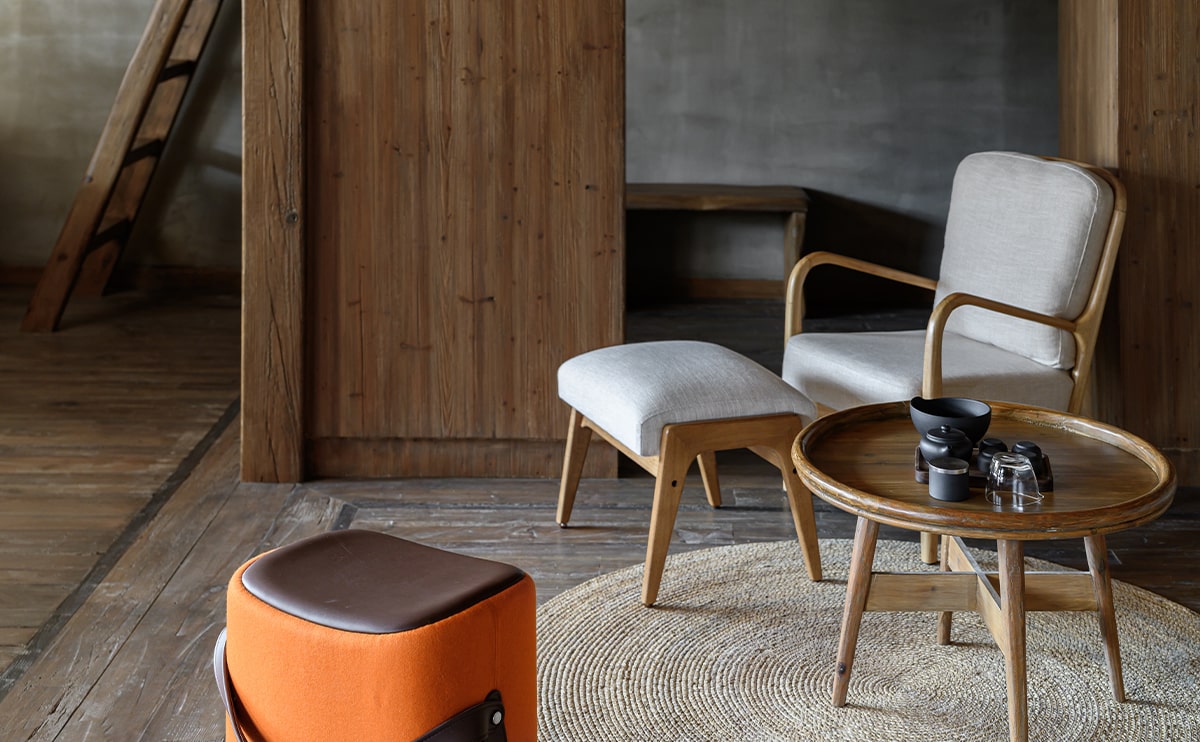
Yes, if you want more comfort without adding a second large chair. Armchairs with ottomans, or a matching pouffe, give you somewhere to put your feet up. When you’re done, the footstool can slide under a table or sit against a wall.
Look for a footstool with a lift-off lid. An ottoman storage bench can double as a footrest, extra seat and a spot to hide blankets, magazines or remotes. Our Pouffes range is a good starting point if you’d rather keep things lightweight and movable.
- Pouffe: light, easy to move and tuck away.
- Footstool with storage: a little larger, but it clears clutter.
- Ottoman bench: best at the end of a bed or against a wall, where it can work as seating as well.
What should you know about arm chairs for the bedroom?
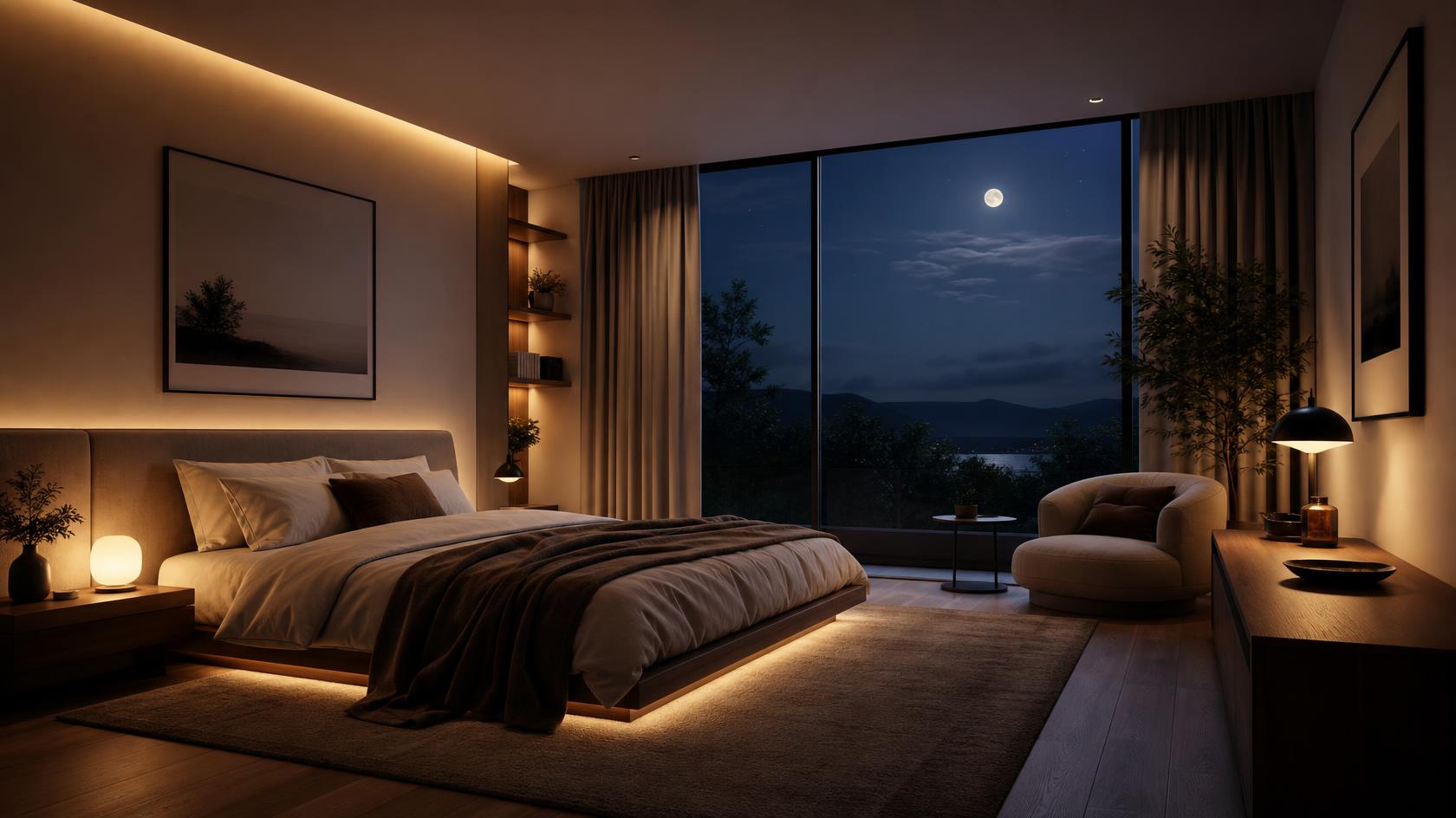
A bedroom armchair works hard. It’s a reading corner, a spot to put on shoes and, honestly, somewhere clothes land at the end of the day. In a small bedroom, choose a compact chair and give it a purpose.
Layout ideas that work
- Window corner: natural light for reading, with the chair angled slightly into the room.
- Beside the wardrobe: only if doors can still open fully. Measure first.
- End of the bed: an armless chair or bench keeps the walkway clear.
- Next to a bedside table: a slim-arm chair leaves room for a lamp and a book.
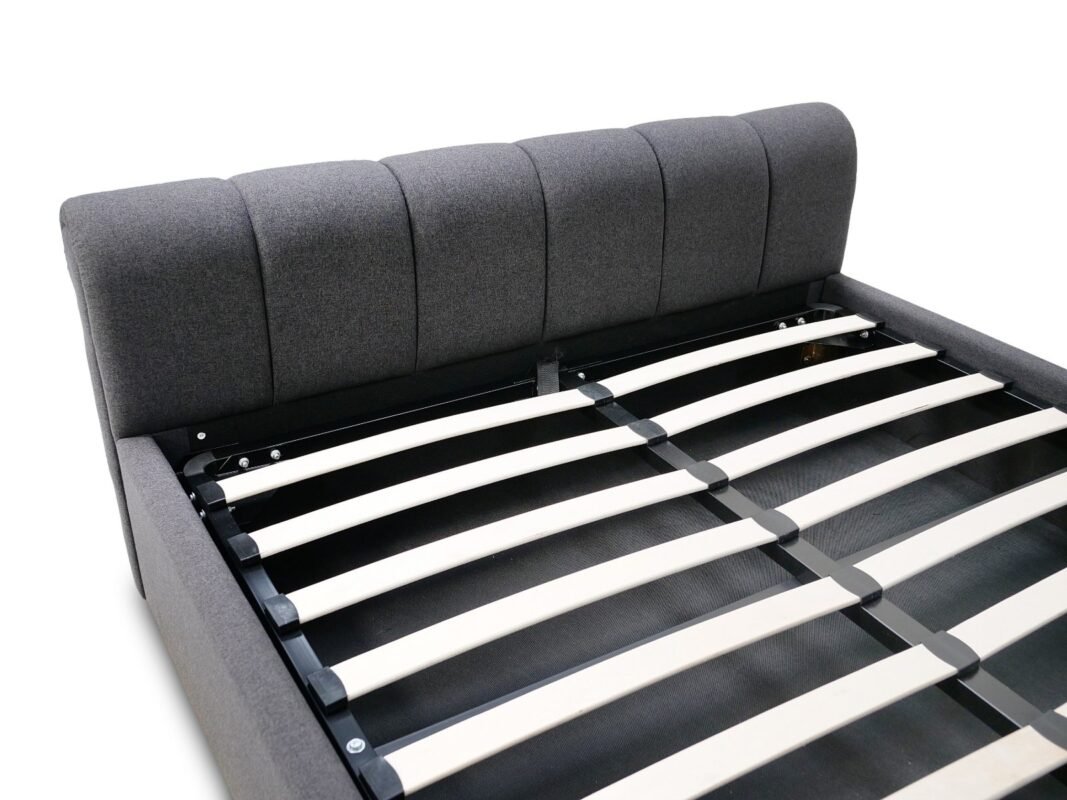
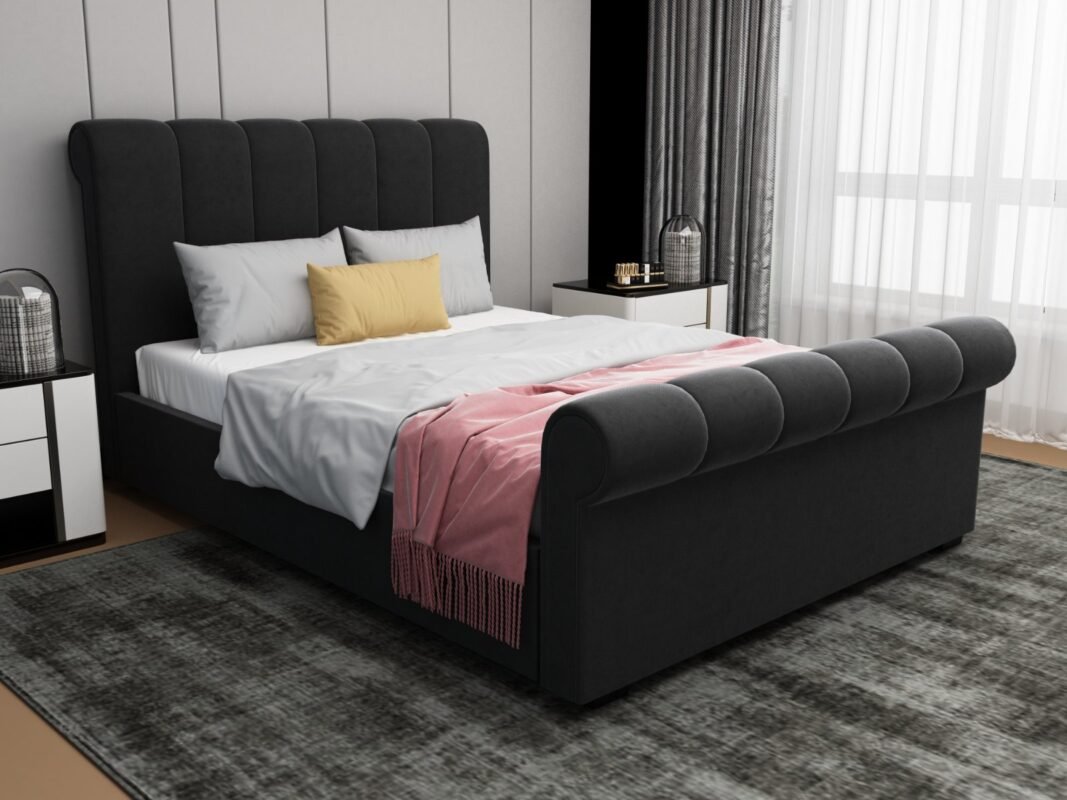
If your bed already has built-in storage, such as an ottoman bed, remember the base lifts upwards or from the side, so leave enough space around it for the lid or gas lift to open. Don’t place the chair where it blocks that.

Armchair vs recliner: which suits a small room?
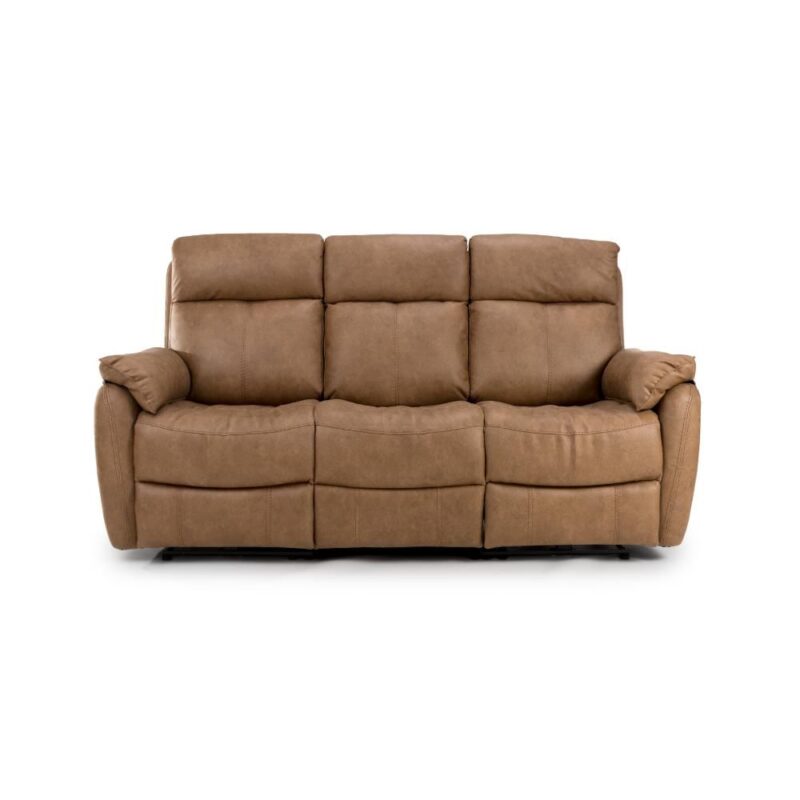
A standard armchair is usually the easier fit for a small space. A recliner gives you a footrest and a more relaxed angle, but it needs extra room to open. Some designs need space behind them, while others need clearance in front.
| Armchair | Recliner | |
|---|---|---|
| Footprint | Fixed, easy to plan around | Grows when reclined |
| Wall clearance | Can sit close to a wall | Check the design: some need a gap behind or in front |
| Comfort | Upright and relaxed, great with a footstool | Footrest and angled back built in |
| Best for | Tight rooms, corners, bedrooms | Living rooms with more floor space |
If you love the idea of a footrest but not the footprint, try an armchair with a pouffe first. When you do have room to spare, browse our Recliner Chairs and Sofas and check the dimensions both closed and fully reclined.
How do you pair sofas and armchairs without crowding?
Think of sofas and armchairs as one seating group rather than separate pieces. In a small room, a two-seater plus one armchair is often more comfortable than a large sofa with nowhere to walk.
- Angle the chair: a slight turn towards the sofa makes conversation easier and softens a boxy room.
- Leave a coffee table gap: keep roughly 35-45cm between seating and a coffee table.
- Match the height: a chair with a similar seat height to your sofa looks tidier.
- Keep legs visible: seeing floor underneath makes a room feel bigger.
- Vary the shape: pair a straight-lined sofa such as the Ellery Grey Fabric Sofa with a rounded tub chair for balance.
Which fabrics and colours make a room feel bigger?
Lighter, softer tones reflect more light, so pale greys, creams and muted greens often keep a small room feeling open. Tone-on-tone works well: when the chair sits close in colour to your walls or sofa, it blends in rather than breaking up the space.
That doesn’t mean everything has to be neutral. One accent chair in a deeper colour can add personality, as long as everything else around it is calm. A few practical notes:
- Velvet: soft and rich in colour, and easy to match with cushions.
- Textured weaves: hide everyday wear and add depth without bulk.
- Faux leather: wipes clean, which suits busy households.
- Patterns: keep them small and use one at a time.
Quick checklist before you buy
- Mark the chair’s footprint on the floor with masking tape.
- Keep main walkways around 75-90cm clear.
- Open doors, drawers and wardrobes fully to check clearance.
- Measure doorways, hallways and stair turns against the chair’s width, depth and height.
- Choose slim or rounded arms and visible legs for a lighter look.
- Decide on a footstool or pouffe: it adds comfort without a second chair.
- If you’re considering a recliner, check the dimensions when fully reclined.
- Check the permanent fire safety label on any upholstered chair. UK upholstery must meet the Furniture and Furnishings (Fire) (Safety) Regulations, and this applies to landlords furnishing a rental too.
Ready to find your chair?
The right armchair gives a small room a place to relax without making it feel cramped. Measure carefully, favour compact shapes and add a pouffe if you want extra comfort. Our Armchairs range offers plenty of compact styles, with free UK Mainland delivery on eligible orders. Browse the full Furnmart range of Beds, Mattresses, Sofas and Furniture, with delivery across UK Mainland and Multiple Payment Options.
Frequently asked questions
What is the smallest armchair width that still feels comfortable?
Most people find a seat width of around 50-55cm between the arms comfortable, which usually means an overall chair width of roughly 65-75cm. Armless accent chairs can be a little narrower. Always check the seat width and depth as well as the overall dimensions.
Are armless chairs better than armchairs with arms for small rooms?
Armless chairs take up less width and look lighter, so they suit bedrooms and tight corners. Chairs with slim arms are more comfortable for long sitting, because you have somewhere to rest your arms. If you plan to read or relax for long periods, slim arms are usually worth the extra few centimetres.
Will an armchair fit through my doorway or up my stairs?
Compare the chair’s width, depth and height with your narrowest door, hallway and stair turn. Remember that chairs can often be tilted, but tall backs and wide arms can make tight turns harder. Measure the full route in before you order.
What affects the price of an armchair?
Price usually reflects the size, frame construction, filling, upholstery fabric and any extras such as a swivel base, a matching footstool or a reclining mechanism. Faux leather, velvet and woven fabrics also differ in cost. Compare the full specification of each chair on the product page rather than just the look.
Is a swivel or tub chair better for a small corner?
A tub chair is a safe choice for a corner, as its curved back tucks neatly in and takes up less visual space. A swivel base can help in a tight room, because you can turn the chair without moving it. Just leave a little extra clearance around the chair so it can rotate.