

Blog
Cabin Bed Mid Sleeper With Storage: Desk, Slide and Ideas

Key takeaways
- A cabin bed mid sleeper with storage frees up floor space by building drawers, cupboards or shelves into the frame.
- Match the feature to your child: a desk suits homework-age children, while a slide or den suits play-led ones.
- Always check the manufacturer's age guidance, as many raised sleeping platforms are not recommended for under-6s.
- Measure ceiling height, allow clearance above the top mattress and check the ladder position before you order.
- Confirm the mattress size and depth the bed is designed for, as most are built for a UK single (90 x 190cm).
A cabin bed mid sleeper with storage gives your child a raised bed with drawers, cupboards or shelves built in, freeing up floor space in a small room. The best features to look for are storage that suits their things, a desk for homework, a slide for fun, and a den-style space for play.
If you’re weighing up which features are worth having, this guide takes them one idea at a time. It also covers the height, ladder and safety checks to make before you buy.
What is the difference between a cabin bed and a mid sleeper?
The two terms overlap, and many retailers use them together. In general, a cabin bed has a raised sleeping platform with storage, a desk or a wardrobe beneath. A mid sleeper is the same idea at a lower, mid-height level, so it is easier to climb into and works better under standard ceilings.
Typical mid sleeper heights run from around 110 to 135cm, so it is worth checking you have 110 to 140cm of clearance. For a fuller explanation, see our mid sleeper bed guide. If you’re comparing with something taller, our cabin bed vs high sleeper guide will help.
Idea 1: Cabin bed mid sleeper with storage built in
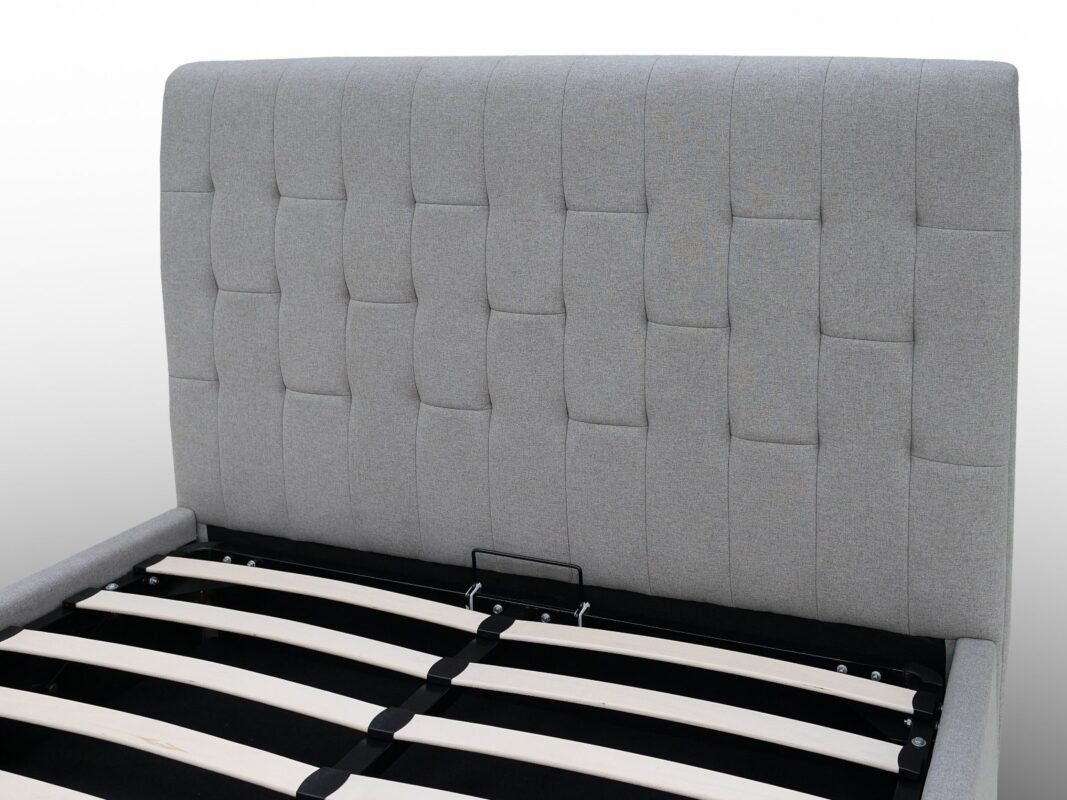
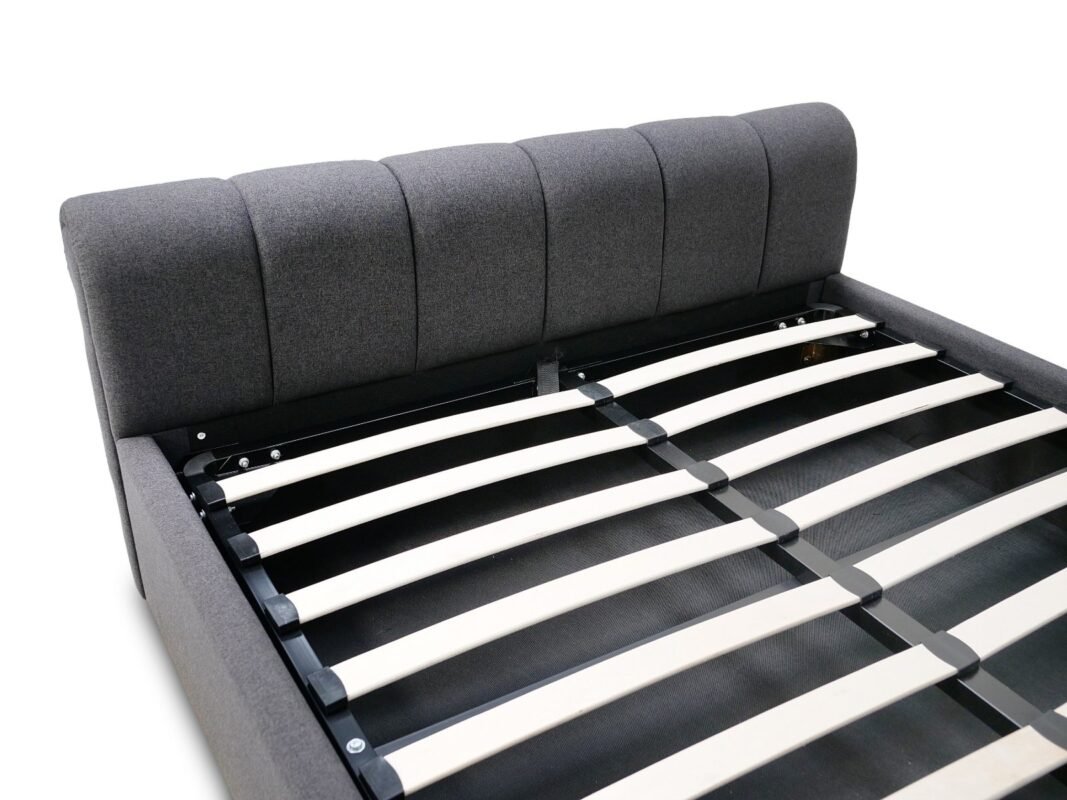
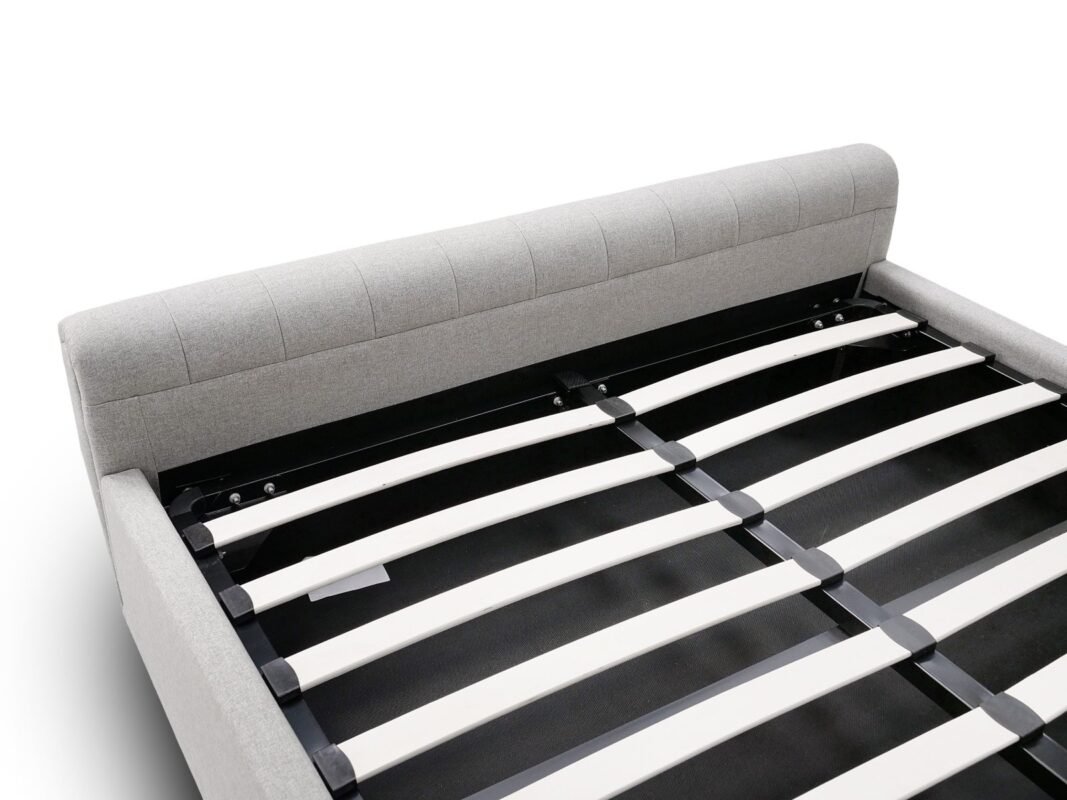
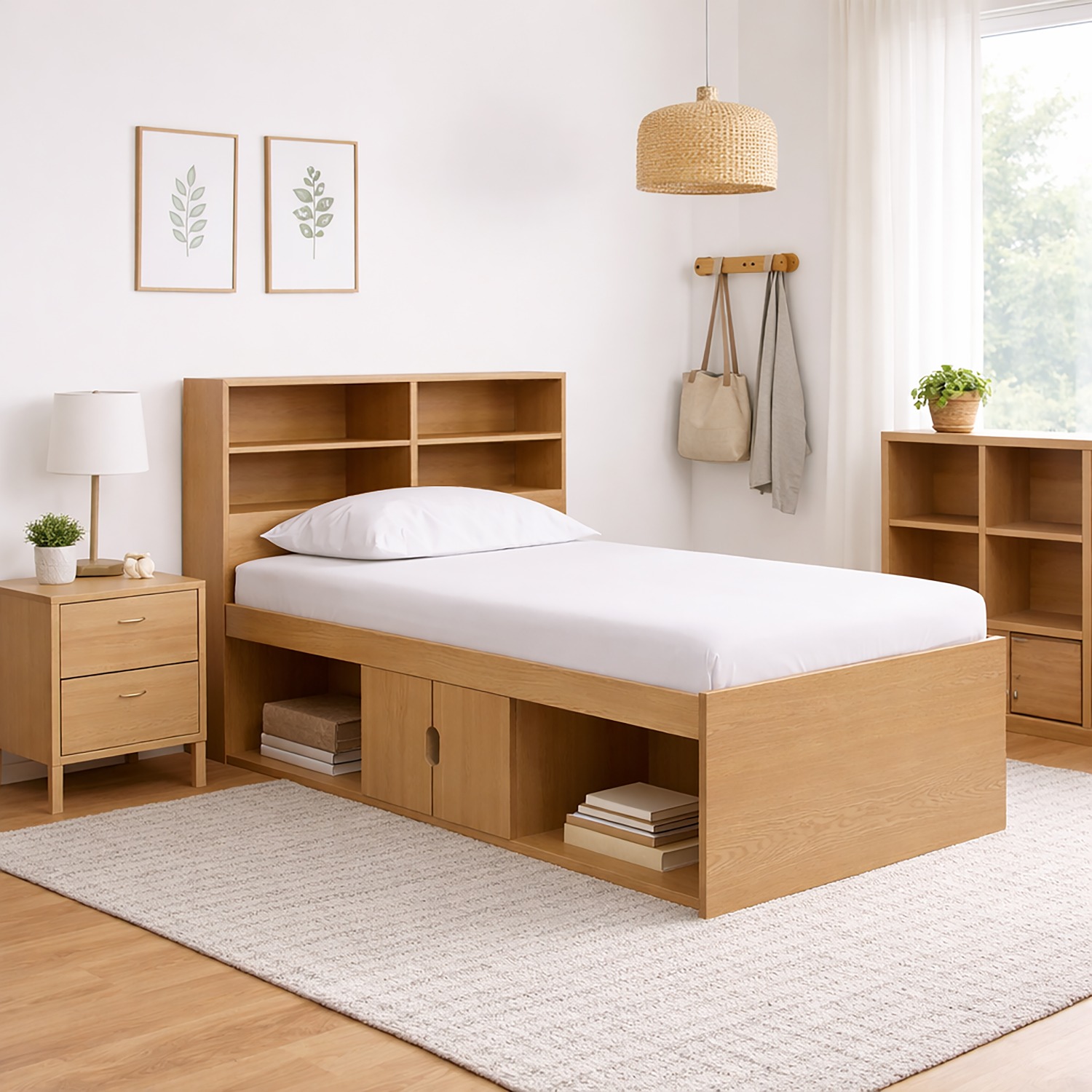
Storage is the main reason most parents choose this style of bed. Because the sleeping platform is raised, the space underneath can hold drawers, cupboards or open shelves. A cabin bed mid sleeper storage design effectively replaces a chest of drawers or small wardrobe, which matters in a box room.
Here is how the common storage layouts compare:
| Storage type | Best for | Trade-off |
|---|---|---|
| Pull-out drawers | Clothes, bedding, toys | Needs clear floor space in front to open |
| Cupboard or wardrobe | Hanging clothes, school uniform | Fixed layout, less flexible for bulky items |
| Open shelves or cubbies | Books, baskets, everyday items | Can look cluttered if not tidied |
| Combination units | Children who need a bit of everything | Less floor space left free |
Before choosing, think about what actually needs a home. Drawers suit folded clothes and games, while a cupboard suits coats and uniforms. Our guide to kids beds with storage goes into more detail, and you can browse underbed and storage drawer beds if you prefer a lower design.
For more on what to look for in a storage-led design, one UK guide to mid sleepers with storage is a useful second read.
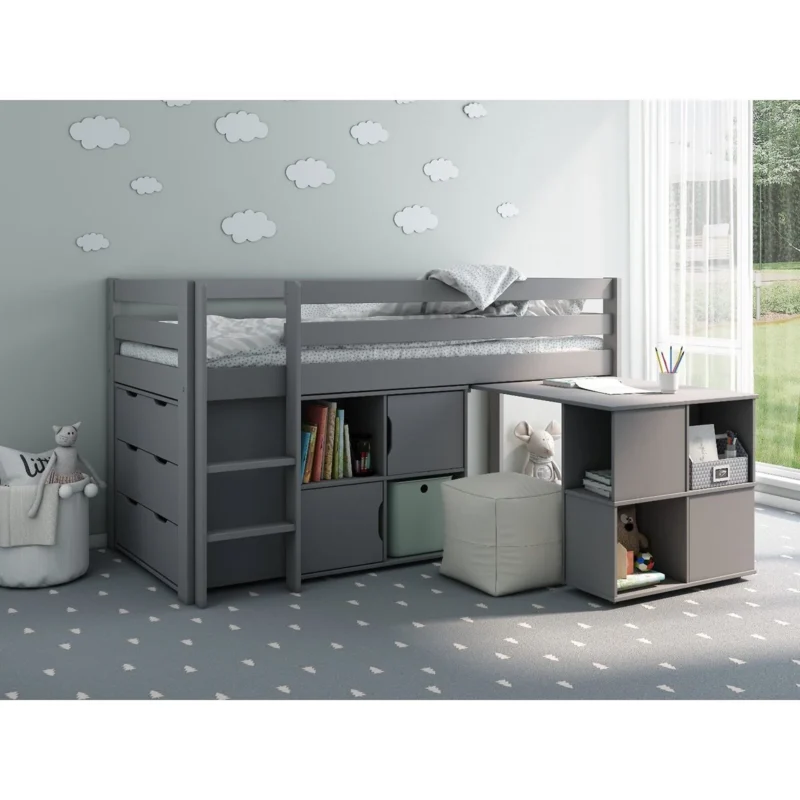
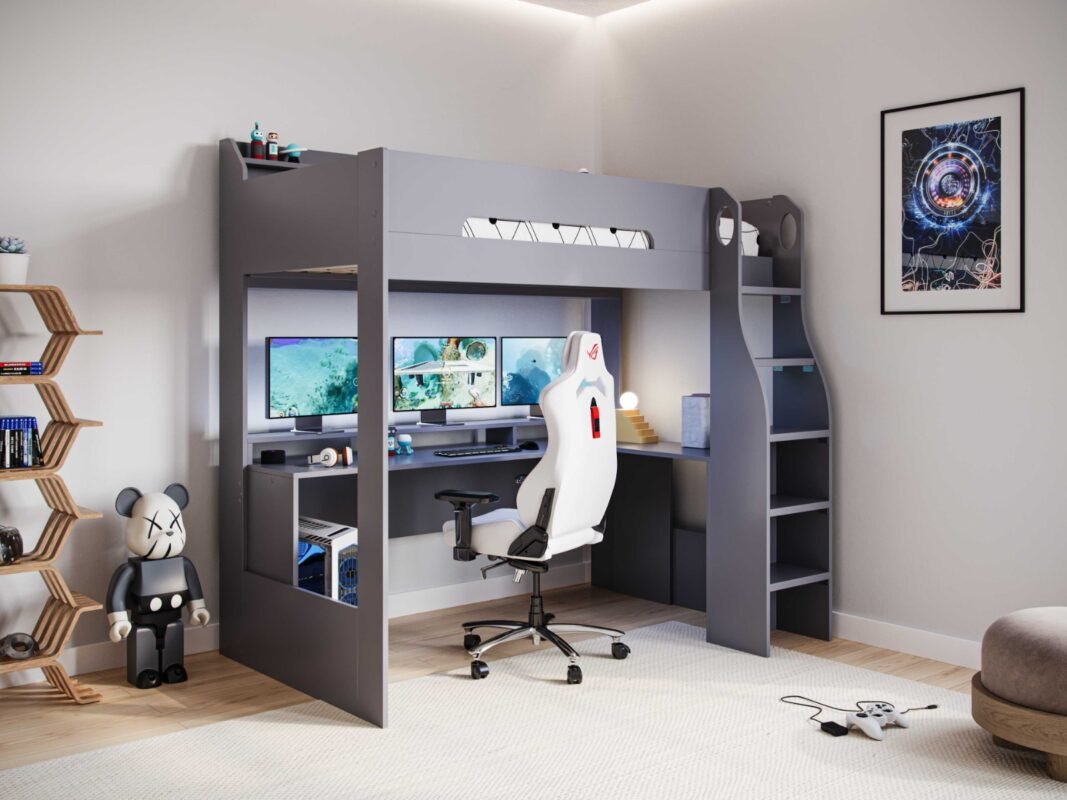
Idea 2: Cabin bed mid sleeper with desk for homework
A cabin bed mid sleeper with desk turns one corner into a bedroom and study area. It suits primary and secondary school children who currently do homework at the kitchen table or on their knees.
Check these points on any built-in desk:
- Desk size: Built-in desks are often around 80cm wide and 55cm deep, which is enough for a laptop and a notepad but not a large monitor setup.
- Chair clearance: You need room to pull a chair out, so measure the floor space beside the bed.
- Knee room: Make sure your child can sit comfortably without bumping the bed frame above.
- Lighting: A small clip-on or plug-in lamp helps, as under-bed areas can be dim.
Desk-and-storage combinations are among the most popular mid sleeper layouts, because a desk, shelves and drawers can sit in one compact footprint. The trade-off is that the desk takes the space a wardrobe might otherwise use.
Idea 3: Cabin bed mid sleeper with slide for fun
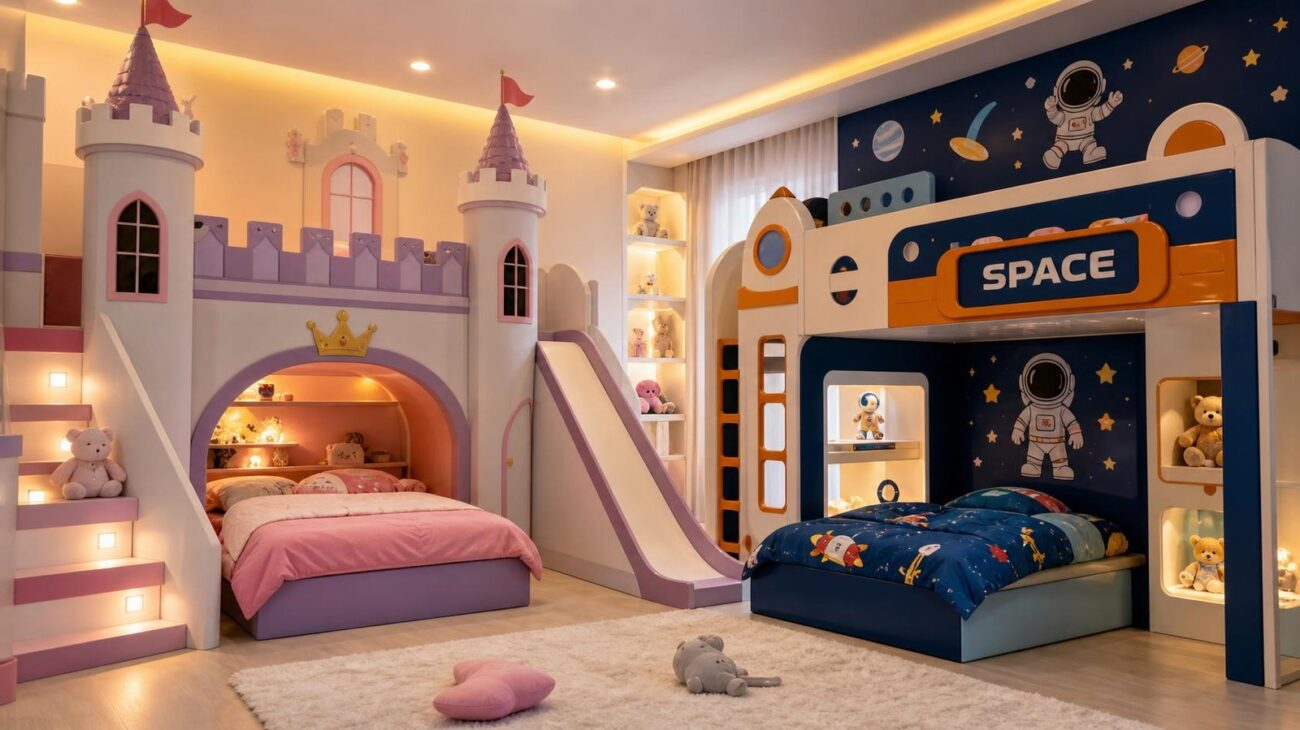
A cabin bed midsleeper with slide appeals to children who see the bed as part of playtime. A slide replaces the ladder as an exit route or sits alongside it. It is a lively option, but it needs more space and a bit more thought.
- Landing space: Keep the area at the foot of the slide clear of toys and furniture.
- Room length: A slide adds length, so measure the wall it will sit against.
- Age guidance: Raised sleeping platforms are generally not recommended for children under 6, so check each product’s guidance rather than assuming.
- Ladder or steps: Even with a slide, children still need a safe way up.
Slide models are less common than desk and storage designs, so if a slide matters to you, filter carefully. You can explore the range in our Cabin Beds and Mid Sleepers category.
Idea 4: Cabin bed mid sleeper curtains and tents for a den
Cabin bed mid sleeper curtains are a simple way to turn the space under the bed into a hideaway. A curtain or tent fits around the open frame, making a den for reading, imaginative play or quiet time.
Some things to bear in mind:
- Use lightweight fabric and keep it clear of lamps, heaters and sockets.
- Choose a rail or fixing that suits the frame, and check it is secure.
- Add cushions, a rug and a beanbag or pouffe for comfort.
- Curtains can hide clutter, but they also hide storage you may want to reach, so pick ones that tie back or slide easily.
This idea works especially well where there is no built-in storage underneath, because the open space becomes a den instead of a drawer unit.
Idea 5: Shelves, reading nooks and lighting
Smaller details often make a bed feel like your child’s own. A shelf at the head end holds a book, a glass of water and a toy or two. Cubby shelves and open units make good display spots for models and favourite things.
For a reading nook, add a soft light and a cushion. Opt for a low-heat LED light with a safe, tidy cable route, and keep it away from bedding and curtains. These small touches tend to matter more as children grow, so choose a finish and style that will still suit them in a few years.
What room height, ladder and safety checks should you make?
Safety matters most with any raised bed. Before you order, run through this checklist:
- Measure ceiling height. Leave plenty of space above the top of the mattress so your child can sit up and move without bumping their head. Around 75cm is a commonly suggested minimum, so check the product guidance too.
- Check the guard rails. Rails are often cited as needing to stand at least 16cm above the mattress surface. Confirm this with the product details, and do not use a mattress thicker than recommended.
- Look for BS EN 747. This is the standard that raised and bunk beds are usually tested against, covering guard rails, ladders, strength and gaps.
- Check the age guidance. Most sources say a raised sleeping platform is not for under-6s, and some suggest 7 or over. Follow the instructions for the specific bed.
- Position the ladder. Pick a left- or right-hand ladder to suit the room, so it does not block a door or radiator.
- Keep it clear. Avoid placing the bed beneath a light fitting, window blind cord or ceiling fan.
Be honest about the trade-offs too. A taller bed means a bigger climb, and some children are happier lower down. If that sounds like your child, a lower mid sleeper is usually the more comfortable choice. You can compare options in our Midsleeper and Cabin Beds collections.
How do you choose the right mattress and plan assembly?
Most mid sleeper and cabin beds are built for a UK single mattress, which measures 90 x 190cm (3ft). Always check the size and the maximum mattress depth listed for the bed, because a deeper mattress can reduce the effective height of the guard rails. Depth limits vary between products, so confirm them before you buy.
Look at the Mattresses range for a single that suits your child’s comfort and the bed’s depth limit. Pocket sprung and foam options are both common choices for children.
On assembly, raised beds have more parts than a standard frame, so:
- Measure doors, stairs and landings so the boxes can be carried up.
- Set aside a few hours and have two adults available if possible.
- Tighten all fixings after assembly and recheck them after the first few weeks.
- Build it in the room where it will stay, as large frames are hard to move once built.
Which idea suits your child?
- Short on floor space: choose drawers or a cupboard (Idea 1).
- School-age and studying: choose a desk (Idea 2).
- Play-led and energetic: consider a slide (Idea 3).
- Imaginative or quiet: add curtains or a tent (Idea 4).
- Bookworm: add shelves and lighting (Idea 5).
Ready to choose?
The right cabin bed or mid sleeper comes down to the room, your child’s age and which features they will genuinely use. Browse the full Furnmart range of Beds, Mattresses, Sofas and Furniture, with delivery across UK Mainland and Multiple Payment Options.
Frequently asked questions
What age is a mid sleeper suitable for?
Most guidance says a raised sleeping platform is not suitable for children under 6, and some manufacturers suggest 7 or over. Always follow the age advice for the specific bed. Your child’s confidence on the ladder matters as well as their age.
How much ceiling height do I need for a mid sleeper?
Typical mid sleepers stand around 110 to 135cm high, so check you have 110 to 140cm of clearance. It is also a good idea to leave around 75cm between the top of the mattress and the ceiling. Check the product’s own measurements before ordering.
What size mattress fits a cabin bed or mid sleeper?
Most are designed for a UK single mattress, 90 x 190cm. Always check the maximum mattress depth too, as a thick mattress can make the guard rails less effective.
Is a slide on a cabin bed safe?
It can be, provided you follow the age guidance and keep the landing area clear. A slide does not replace a ladder or steps, so children still need a safe way up. Supervise younger children until they are confident.
Can you put curtains on a mid sleeper?
Yes, many parents hang lightweight curtains or fit a tent around the open space under the bed to create a den. Keep fabric away from lamps and heaters, and check any rail or fixing is secure.
Is a cabin bed or a mid sleeper better for a small bedroom?
Both free up floor space by using the area under the bed. A mid sleeper suits lower ceilings and younger children, while a taller cabin bed can offer more storage or a larger desk. Measure your room height first.