Blog
Kids Beds for Boys and Girls: How to Choose by Age

Key takeaways
- Choose by your child's age and room size first, then pick the style, because safety and fit matter more than theme.
- A low single bed or cabin bed suits many 5 year olds, while top bunks and high sleepers are generally for children aged six and over.
- Whether a bunk bed comes with mattresses varies by listing, so always check the product page.
- Kids beds for boys and girls are built to the same standards; colour and design are purely a style choice.
- Pick a mattress that suits your child's age and the bed, and check the mattress depth the bed allows.
If you’re choosing kids beds for boys or girls, start with your child’s age and the size of the room, not the theme. A low single bed suits most younger children, a cabin bed or mid sleeper suits many five-year-olds in smaller rooms, and top bunks are for later. Style comes last.
Where should you start: age, room size or theme?
Start with age and room size. A bed that looks great but is too tall, too long or too fiddly for your child will be a bad buy, however much they love the design.
Measure the room first, including the ceiling height and the route to the bedroom. Then think about how long you want the bed to last. A standard single (90 x 190cm) will carry a child well into their teens, while smaller or novelty beds may be outgrown sooner.
Once you know the age, size and budget, browse our full range of Kids Beds and filter by style. Our bed size guide helps if you’re unsure of the measurements.
Quick guide: bed types by age
These ages are guidance rather than rules. Every child is different, so use them alongside the manufacturer’s advice on the product page.
| Age (approx.) | Bed type | Typical size | Best for |
|---|---|---|---|
| 2 to 3 | Toddler bed | About 70 x 140cm | Moving out of a cot |
| 3 to 5 | Low single or small single | 75 or 90 x 190cm | First “big bed”, easy to get in and out |
| 5 to 6 | Single, cabin bed, mid sleeper | 90 x 190cm | Small rooms, storage, play space |
| 6+ | Bunk bed, high sleeper | 90 x 190cm | Shared rooms, desk or play area below |
| Teens | Single, double, gaming bed | 90 x 190cm or larger | Desk space, longer-lasting style |
What kind of bed for a 5 year old?
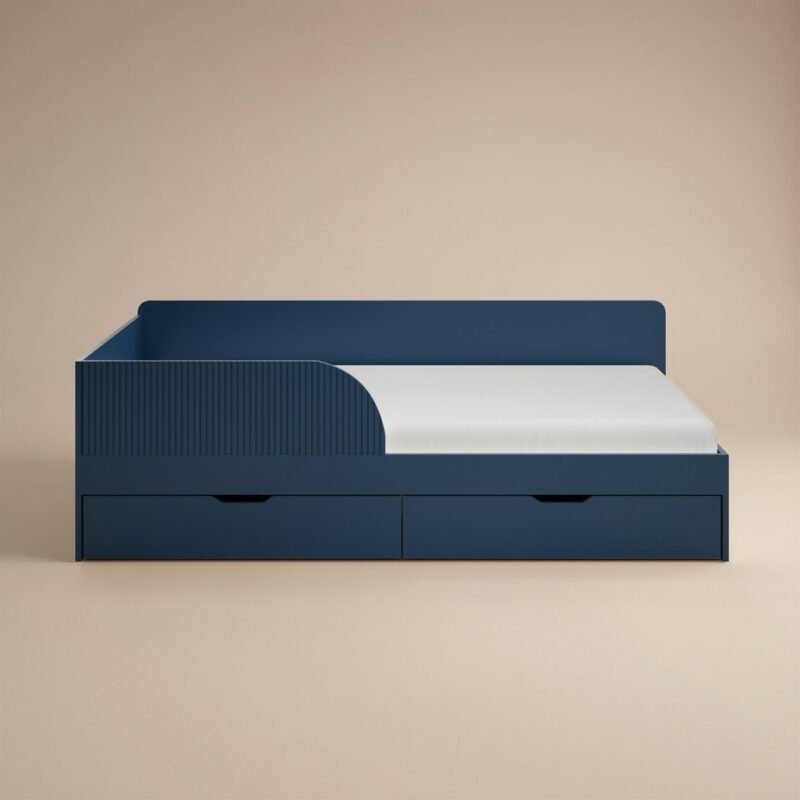
For a 5 year old, the best choice is usually a standard single bed, a low cabin bed or a mid sleeper. All three are a sensible size and keep the sleeping surface close to the floor.
- Low single bed: the simplest option. It’s easy to climb into, suits any room, and grows with your child. Browse our Single Beds to compare.
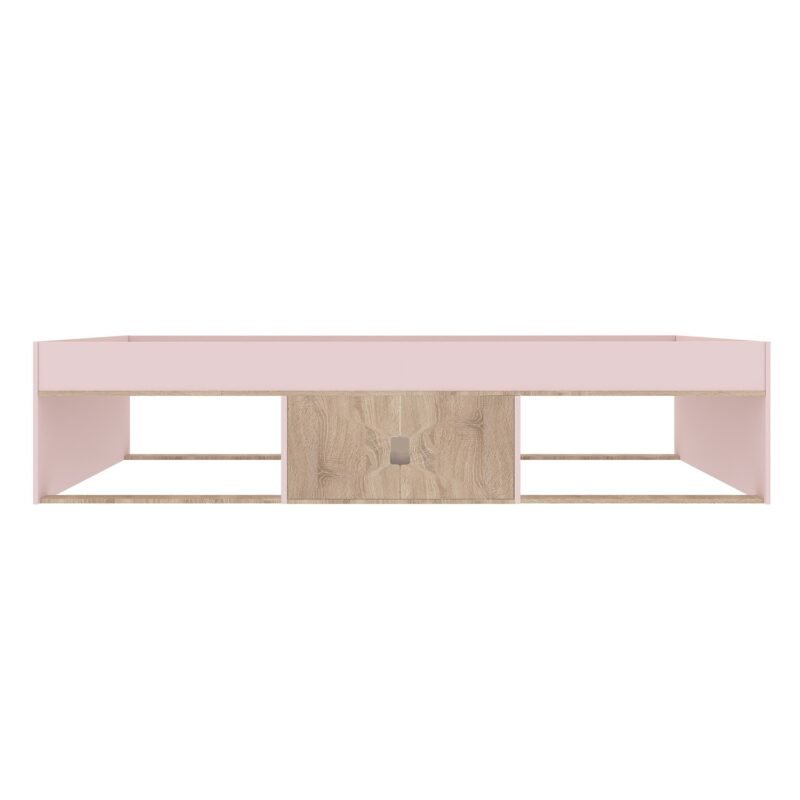
- Cabin bed: a bed on a raised frame with storage or a play space underneath. It’s a smart way to add drawers or cupboards without taking up extra floor space.
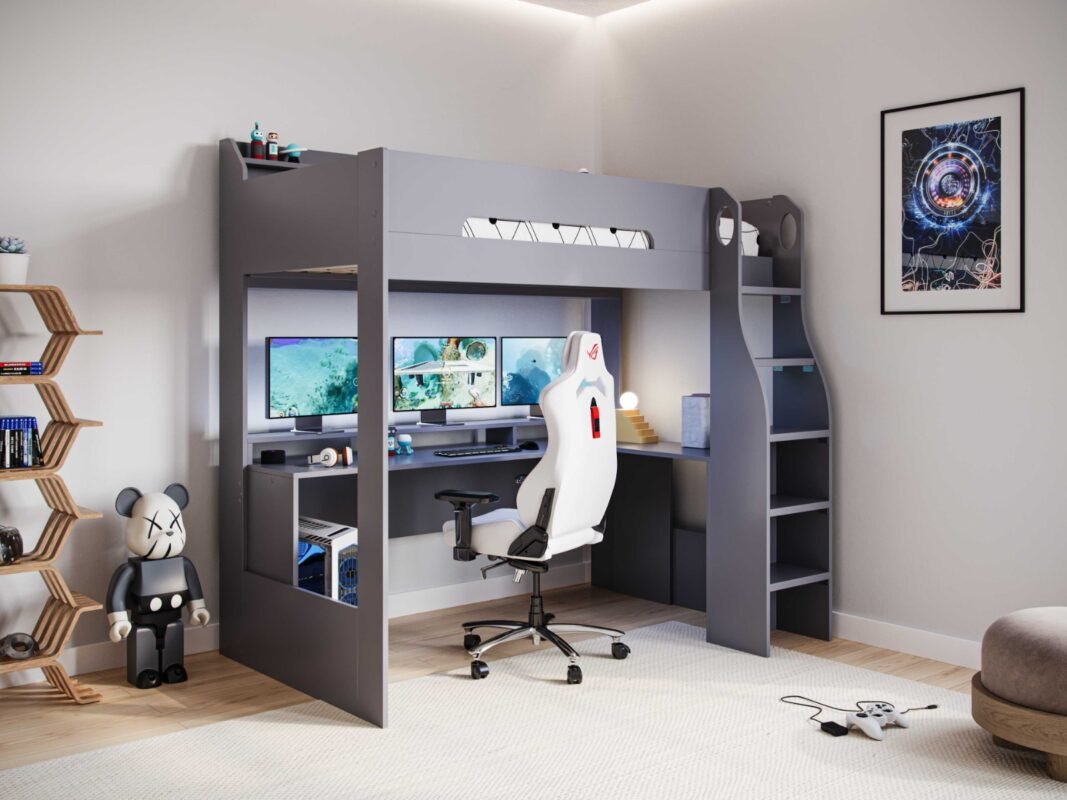
- Mid sleeper: sits higher than a cabin bed, usually leaving room for a desk or den beneath. We explain this in more detail in our guide to mid sleeper beds.
See our full range of Cabin Beds and Midsleepers if you’re short on floor space.
Safety basics for younger children
A few simple checks make a big difference:
- Choose a bed with guard rails if your child is raised off the floor.
- Make sure the ladder or steps feel steady and your child can climb them confidently.
- Check the mattress fits snugly, with no gaps a child could slip into.
- Follow the manufacturer’s age and weight guidance on the product page.
- Keep the bed away from radiators, blind cords and windows.
Many retailers and manufacturers advise that top bunks and high sleepers are only for children aged six and over. This is manufacturer guidance in line with BS EN 747, the standard that covers bunk and high beds, so treat six as the minimum age rather than a target.
Kids beds for boys: popular styles and colours
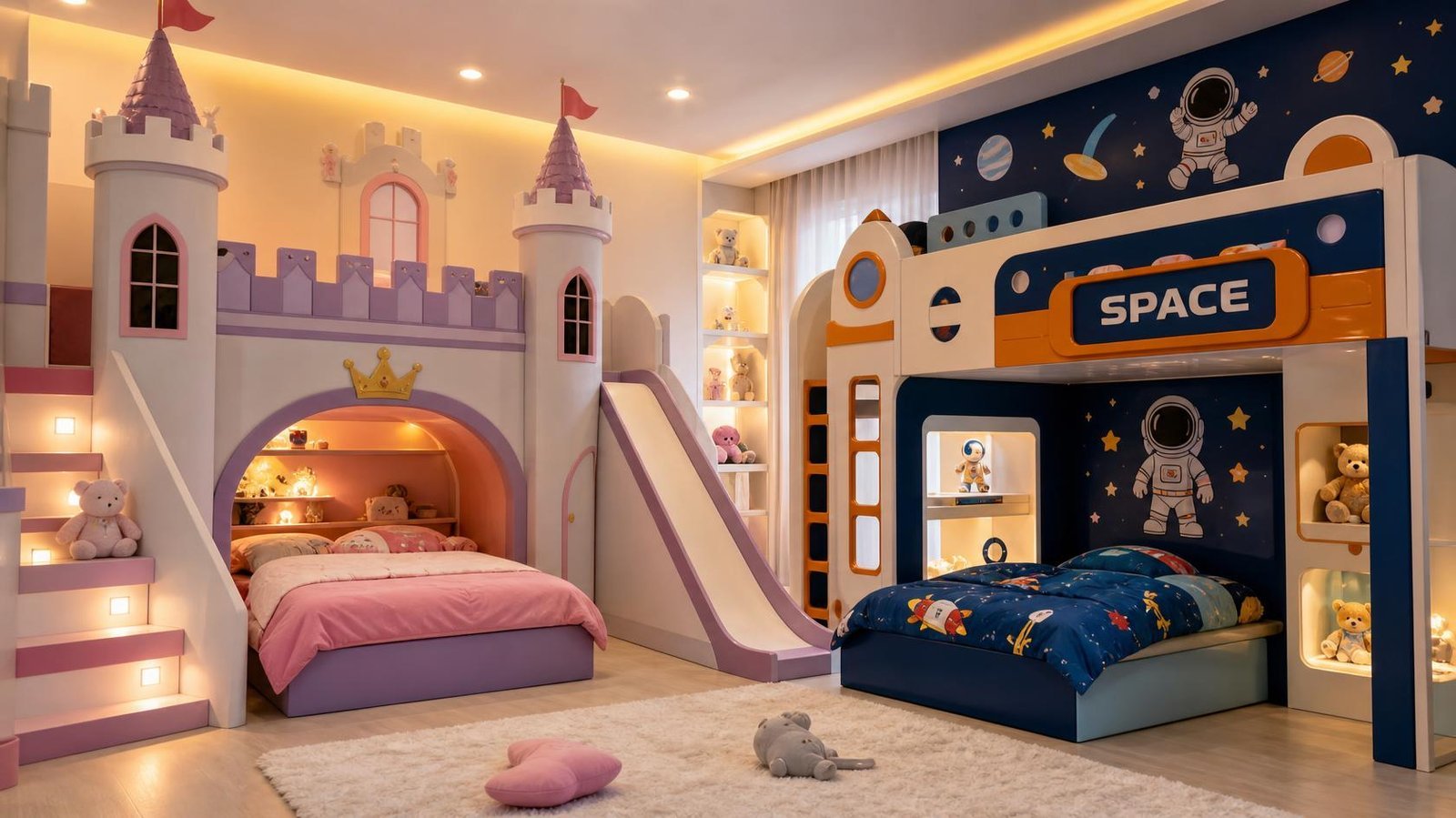
Kids beds for boys cover the same safe, well-made frames as every other child’s bed. What changes is the look. If your son has a strong interest, such as vehicles, space or football, a themed bed can make bedtime something to look forward to.
- Novelty beds: car, train and fire engine shapes are popular for younger children. Take a look at our Novelty Beds for ideas. They’re fun, but may be outgrown sooner.
- Bunk beds: great for brothers sharing, or for sleepovers. Our Bunk Beds include storage options for tidy rooms.
- Cabin beds and mid sleepers: practical for gaming and homework, with a desk or storage underneath.
- Colours: navy, grey, green and natural wood are easy to style and last through the years. Brighter colours work well in bedding and accessories, which are easier to change.
A tip: choose a neutral frame and add the theme through bedding, a rug or wall art. You’ll avoid replacing the whole bed when tastes change.
Kids beds for girls: popular styles and colours
Kids beds for girls follow the same logic: pick the right type for the age and room, then choose the finish. There’s no need to stick to pink unless she loves it.
- Fabric beds: upholstered frames feel softer and look more grown-up. They suit older children who want a bed that works into the teenage years.
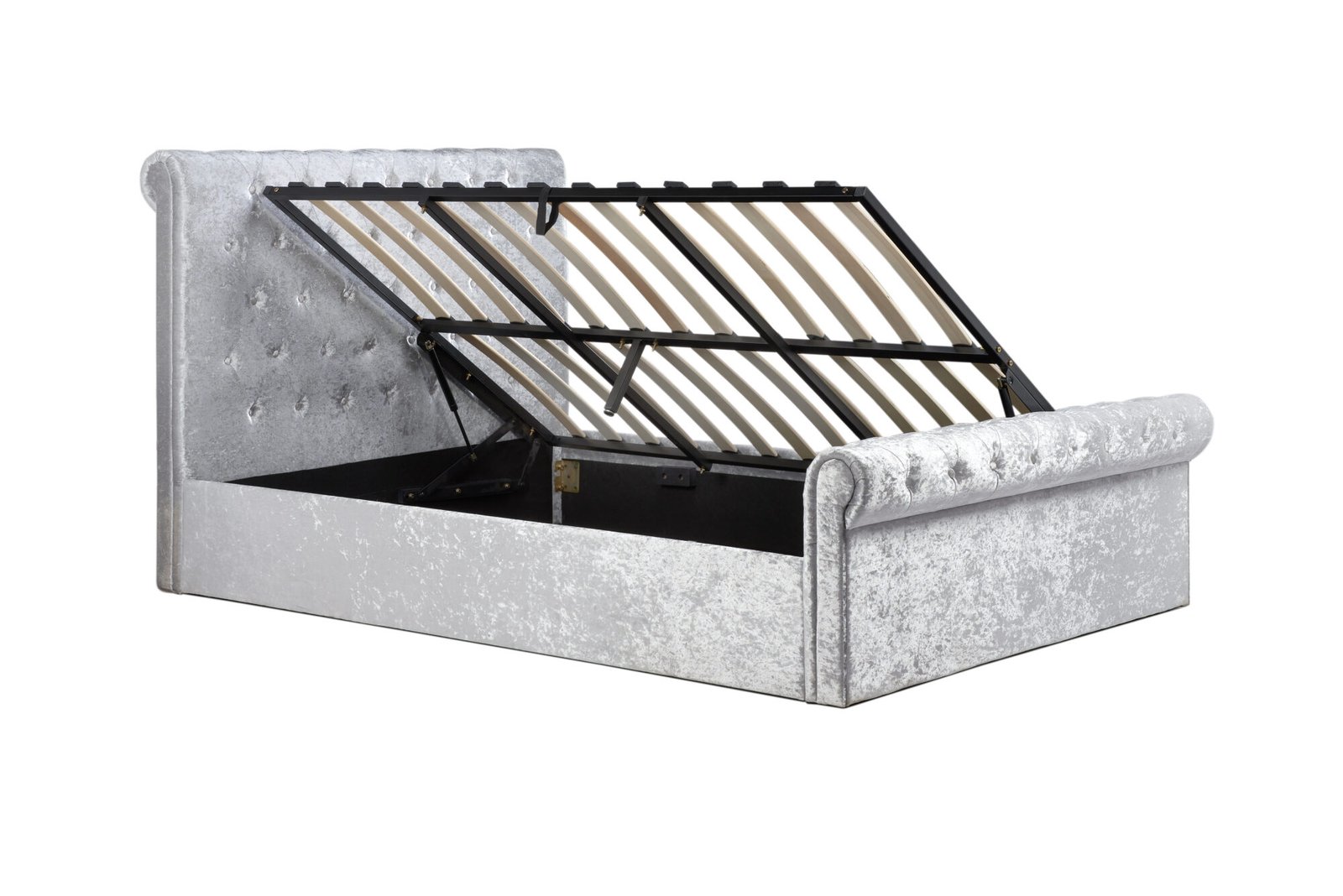
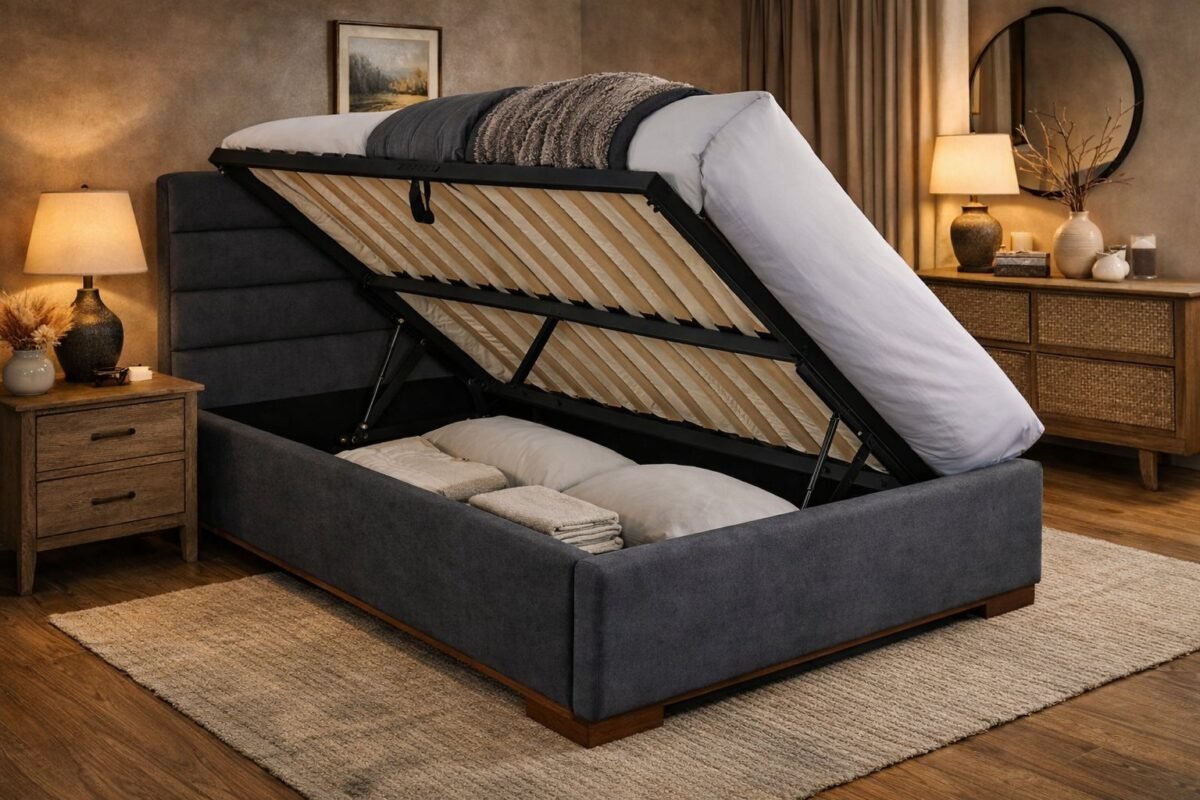
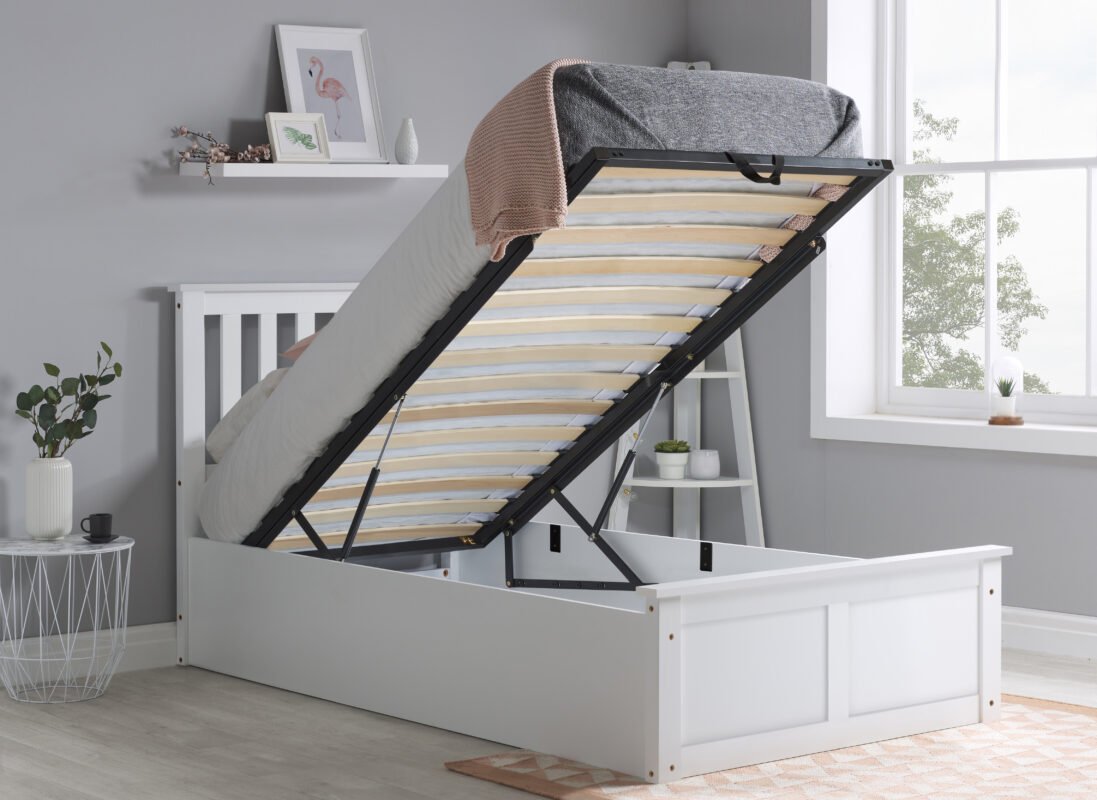
- Storage beds: drawers or an ottoman-style base keep toys, clothes and bedding out of sight. See our guide to kids beds with storage for small rooms.
- Canopy-style and house-bed looks: a frame with a peaked top or space for a fabric canopy gives a cosy, playful feel without being too themed.
- Colours: white, soft grey, blush, sage and natural wood all work well and age gracefully.
Many of these styles work just as well for boys, and the reverse is true too. Let your child’s own taste lead.

Which kids beds are best for your situation?
There’s no single best bed, only the best one for your circumstances. Here’s how to match them up.
Shared room
A bunk bed frees up floor space when two children share. It works best for children of six and over, as the top bunk isn’t advised for younger ones. If you have three children in one room, our Triple Bunk Beds are worth a look.
Small room
Go up rather than out. A cabin bed or mid sleeper lets you tuck drawers, a desk or a play area under the bed. Check the ceiling height and leave enough headroom for sitting up safely.
Growing child
If you want the bed to last, choose a standard single and a neutral design. It can stay as your child moves from primary school to their teens, with only the bedding changing.
Not sure about the trade-offs of raised beds? Our cabin bed vs high sleeper comparison covers climb height and headroom in plain terms. Higher beds make the most of a small room, but the climb is taller and bed-making is trickier.
Do bunk beds come with mattresses?
It varies by listing. Some bunk beds are sold as a frame only, while others are offered with mattresses, so always check the product page before you order. Look at the description and the options to see exactly what’s included.
Whichever you choose, check the mattress depth the bed allows. Top bunks usually have a limit so the guard rail stays high enough above the mattress. Manufacturers often set this on a sticker or in the instructions, and the figure differs between models, so don’t guess.
For more general safety information, this bunk bed safety guide is a useful read for parents.
Which kids mattress should you choose?
The right kids mattress depends on your child’s age, the bed and your budget. Most children do well on a medium-firm mattress that supports a growing body, while younger children often suit a firmer feel.
- Pocket sprung: individual springs give good support and airflow. They’re a dependable all-rounder. See our Sprung Mattress range.
- Memory foam: contours to the body and suits children who like a softer, cushioned feel. It can sleep warmer.
- Hybrid: combines springs and foam for support with a softer top layer.
Browse our full range of Mattresses to compare types, and read our guide on how to choose a mattress if you’d like more detail on firmness.
Quick mattress checklist
- Check the bed size, usually 90 x 190cm for a single.
- Check the maximum mattress depth for bunks, high sleepers and cabin beds.
- Choose medium-firm for most school-age children.
- Look for a removable, washable cover where possible.
- Confirm whether the mattress is included on the product page.
Ready to choose a bed?
Start with age and room size, add the safety checks, and then pick the style your child loves. That order keeps the bed safe, practical and easy to live with for years.
Browse the full Furnmart range of Beds, Mattresses, Sofas and Furniture, with delivery across UK Mainland and Multiple Payment Options. Free UK Mainland delivery applies, and our price match guarantee is subject to terms.
Frequently asked questions
What age can a child sleep on the top bunk?
Manufacturer guidance in line with BS EN 747 says children under six shouldn’t sleep on the top bunk. Even at six or older, make sure your child can climb the ladder confidently and follow the age and weight guidance on the product page.
Is a cabin bed or a mid sleeper better for a small bedroom?
Both save floor space. A cabin bed is lower with storage underneath, so it suits younger children. A mid sleeper is higher, leaving room for a desk or den, and generally suits older children.
Can a 5 year old sleep in a single bed?
Yes. A standard single bed (90 x 190cm) suits most 5 year olds and will last for years. A small single (75 x 190cm) can work in tighter rooms.
Are kids beds for boys different from kids beds for girls?
No. The sizes, safety standards and construction are the same. Any difference is in style, such as colours, themes and finishes, so choose whichever your child likes.
Do I need a special mattress for a bunk bed?
Not special, but it must fit the bed. Check the mattress size and the maximum depth the bunk allows, particularly on the top bunk, so the guard rail stays high enough.
When should I move my child from a cot to a bed?
Most children move between 18 months and 3 years old. The main trigger is when they start climbing out of the cot, rather than a particular birthday. A toddler bed or low single is a gentle first step.