
Blog
Living Room Chairs: How to Choose the Right Style and Fit

Key takeaways
- Choose the chair type by how you sit: armchairs for everyday comfort, accent chairs for style, recliners for relaxing and tub chairs for compact corners.
- Leave roughly 46-61 cm of clearance around a chair, and more for a recliner with its footrest out.
- Fabric suits most households, faux leather wipes clean easily, and velvet adds richness but needs more care.
- Chairs should relate to your Sofa in scale and tone rather than match it exactly.
- Measure doorways, stairs and turns before ordering, and check each listing for dimensions and assembly.
The right living room chairs are comfortable for the way you actually sit, in proportion to your Sofa, and leave enough room to walk around them. Start by choosing a type (armchair, accent chair, recliner or tub chair), measure your space, then pick a fabric that suits your household and your daily routine.
If you’re weighing up a single chair or a full seating arrangement, the steps below will help you decide with confidence. We’ve kept the advice practical, with measurements in centimetres and honest trade-offs.
What types of living room chairs are there?
Most living room chairs fall into four groups. Each does a slightly different job, so it helps to know what you want from the chair before you start browsing.
| Chair type | Best for | Space it needs | Trade-off |
|---|---|---|---|
| Armchair | Everyday seating and reading | Medium to large | Can overwhelm a small room |
| Accent chair | Adding colour, texture or an extra seat | Small to medium | Some are designed for style first, comfort second |
| Recliner | Long evenings, TV and relaxing | Large, plus footrest clearance | Bulkier, and needs room to recline |
| Tub chair | Corners and compact spaces | Small to medium | Curved backs suit upright sitting more than sprawling |
Armchairs
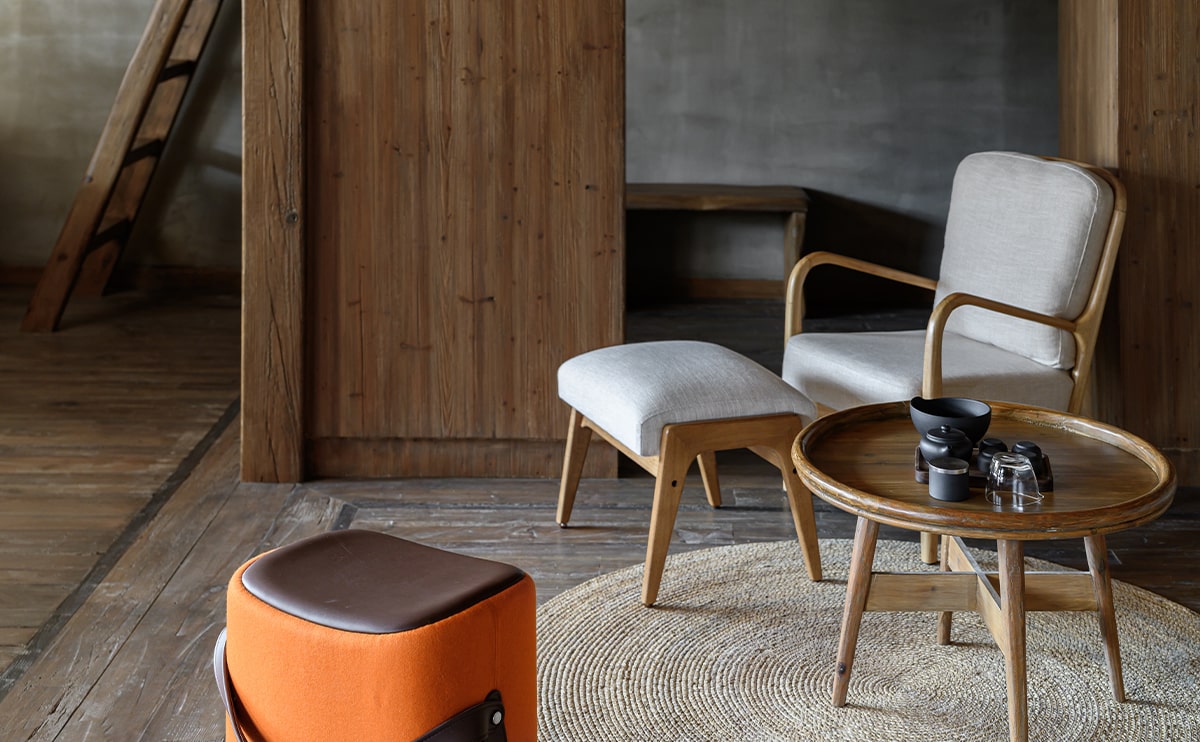
A classic armchair is the most versatile option. It has a deeper seat and supportive arms, so it works for reading, chatting and watching TV. Browse our Accent Chairs if you want a smaller, more design-led take on the same idea.
Recliners
A recliner has a footrest and back that adjust for lounging. They are the go-to for comfort, but they take up more floor space once extended. See our range of Recliner Chairs and Sofas for single chairs and matching sets.
Tub chairs
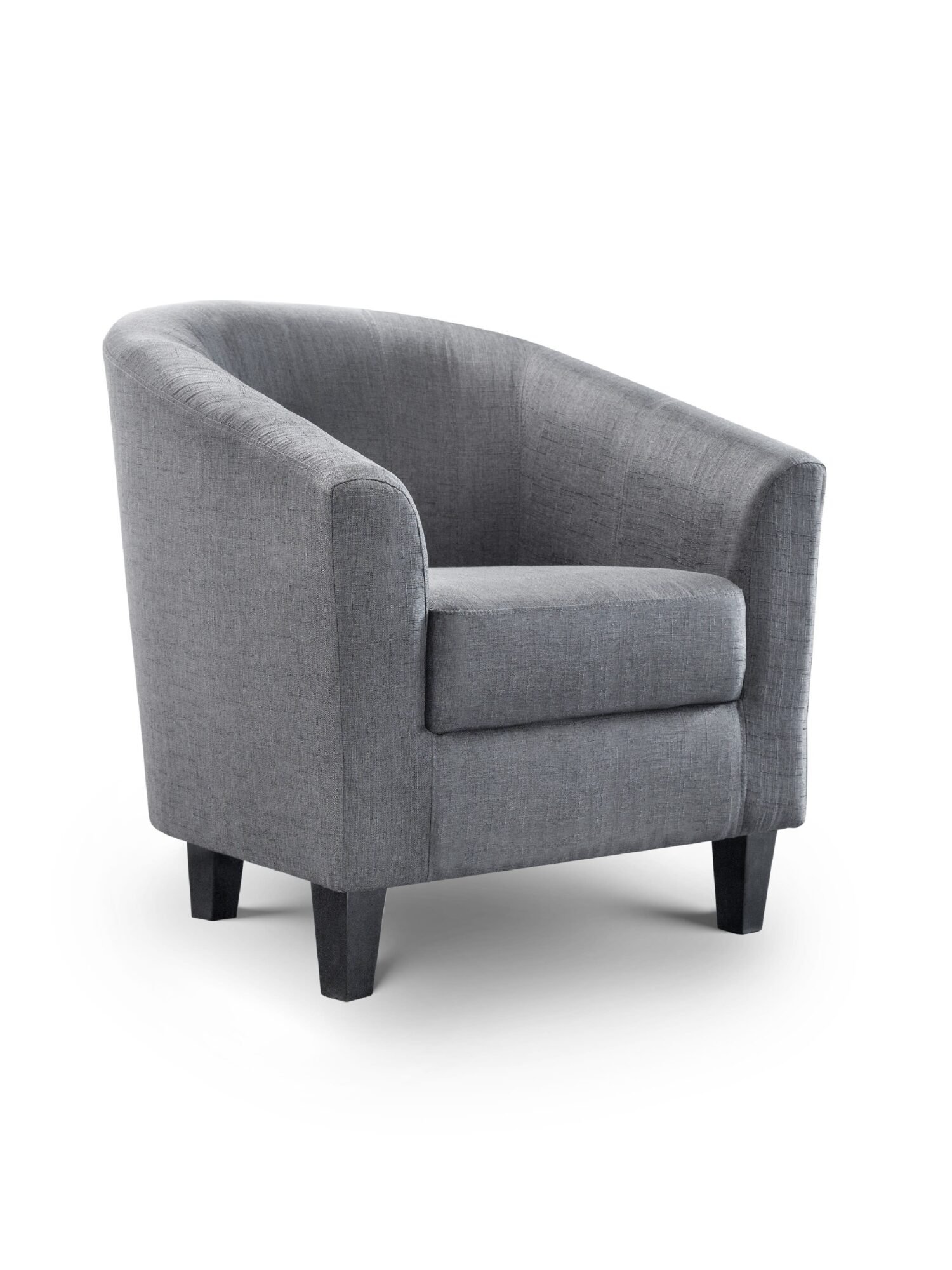
Tub chairs have a rounded, wraparound back. One UK retailer guide gives an example of around 71.5 x 67 x 80 cm, but sizes vary a lot, so always check the listing.
What are the best living room chairs for your needs?
There is no single best living room chair, because the right one depends on who uses it and how. Here is how to narrow it down.
- For comfort: choose a supportive back, a seat depth that lets your knees bend naturally, and arms at a height that suits you. A recliner is the obvious choice if you want to put your feet up.
- For small spaces: look for a tub chair or compact accent chair with slim arms and exposed legs. Seeing the floor underneath makes a room feel less crowded.
- For style: an accent chair in a contrasting colour or texture is an easy way to add personality without replacing your Sofa.
- For family use: pick a firm seat, a tight-woven or wipe-clean cover, and a sturdy frame. Avoid very pale colours if you have young children or pets.
One practical test: sit the way you normally do. If you tuck your legs up, you’ll want a deeper seat. If you prefer to sit upright, a firmer, shallower seat is usually easier to get in and out of. As a rough guide, a seat height of around 43-48 cm suits many adults.
How much space do living room chairs need?
Allow around 46-61 cm (18-24 inches) of clear space around a stationary chair, as this buying guide suggests. It is retailer guidance rather than a rule, but it works well in real rooms. Recliners need more, because the footrest extends in front of the chair, as this accent chair guide also points out.
Spacing around the Sofa and living room table
- Keep a walkway of at least 60 cm between furniture where people will pass through.
- Leave roughly 40-45 cm between your Sofa and a living room table so you can reach your drink and still stretch your legs.
- Place chairs at an angle to the Sofa, or at the end of it, so everyone can talk without craning their neck.
- Check that a recliner can fully extend without touching a coffee table or the wall.
A handy trick is to mark the chair’s footprint on the floor with masking tape. Walk around it for a day and you’ll soon know if it’s too tight.
Fabric, faux leather or velvet: which is best for living room chairs?
For most homes, a tightly woven fabric offers the best balance of comfort, durability and easy care. Faux leather is simple to wipe clean, while velvet looks rich but shows marks and pet hair more easily.
| Material | Durability | Cleaning | Suits |
|---|---|---|---|
| Fabric | Good, especially tight weaves | Vacuum regularly, spot-clean spills | Most households |
| Faux leather | Good, but can mark if scratched | Wipe with a damp cloth | Families, pet owners |
| Velvet | Moderate, varies with quality | Brush gently, treat spills quickly | Adults-only rooms, statement pieces |
Whatever you choose, look for the permanent fire-safety label that new upholstered furniture sold in the UK must carry. It’s a simple check that confirms the item is made to UK fire-safety regulations for domestic furniture.

How do you match chairs with Sofas and living room sets?
Chairs should relate to your Sofa in scale and tone, not match it exactly. A full living room set can look neat, but it can also feel flat. Mixing in one or two pieces gives the room depth.
One UK guide suggests an armchair should have roughly two-thirds of the visual weight of the Sofa. It’s a useful rule of thumb, not a hard rule. If your Sofa is large and chunky, avoid a spindly chair that looks lost beside it.
Simple ways to coordinate without matching
- Repeat a colour: pick an accent chair that picks up a shade from your cushions, rug or curtains.
- Vary the texture: pair a smooth Sofa with a textured chair, or the other way round.
- Keep legs and finishes consistent: if your tables have light wood legs, choose chairs with similar tones.
- Anchor with tables: a side table between a chair and the Sofa ties the arrangement together and gives you somewhere to put a cup.
What are the best living room furniture combinations for small and large rooms?
The best living room furniture combination is the one that suits your room’s proportions and how you use it. Here are two reliable starting points.
Small living rooms
- A two-seater Sofa with one tub chair or compact accent chair.
- A slim coffee table or nest of tables that can be tucked away.
- Light-coloured fabrics and raised legs to keep the space feeling open.
Large living rooms
- A larger Sofa with two armchairs facing each other, or a Sofa and recliner pairing.
- A generous coffee table in the centre, with side tables at each end of the seating.
- A second small seating spot, such as an accent chair and pouffe, near a window.
In both cases, keep a clear path to the door and avoid blocking radiators or windows with tall chair backs.
Will living room chairs fit through your door, and do they need assembly?
Before you order, measure every point the chair must pass through: the front door, hallways, stair width, tight turns and the living room doorway. Compare these with the chair’s width, depth and height on the product page. Many chairs can be tilted, so diagonal depth often matters more than width.
- Measure the narrowest doorway or turn on the route.
- Note the chair’s packed and finished dimensions from the listing.
- Clear the route of rugs, shoes and ornaments.
- Decide where the chair will be unpacked so you can assemble it in the room.
Some chairs arrive fully built, while others need simple assembly, such as attaching legs or a back. Check each listing for details. Most Furnmart items are shipped direct from the manufacturer, and delivery to the UK Mainland is free. Bulky items may need someone at home, so check the listing and your delivery notes.
Ready to choose your living room chairs?
Pick a type that suits how you sit, measure the room and the route in, and choose a fabric that fits your household. Then balance the chair against your Sofa and tables so the whole room feels connected, not copied.
Browse the full Furnmart range of Beds, Mattresses, Sofas and Furniture, with delivery across UK Mainland and Multiple Payment Options. You can start with our living room furniture to see chairs, Sofas and tables in one place.
Frequently asked questions
What is the most comfortable living room chair?
A recliner or a supportive armchair is usually the most comfortable for long periods. Look for a seat depth that lets you sit back with your knees bent, a supportive back and arms at a comfortable height. Comfort is personal, so think about how you sit rather than just how a chair looks.
How much space do I need around a living room chair?
Aim for around 46-61 cm of clear space around a stationary chair, and at least 60 cm for walkways. Recliners need extra room in front for the footrest to extend. Marking the footprint on the floor with tape is an easy way to test it.
Should living room chairs match the Sofa?
No, they don’t need to match exactly. They should relate in scale, colour or texture so the room feels coordinated. Repeating a shade from your cushions or rug is an easy way to link a chair to a Sofa.
Which fabric is best for living room chairs in a family home?
Tightly woven fabric and faux leather are practical choices for families. Faux leather wipes clean easily, while a tight weave hides everyday wear. Velvet looks attractive but can show marks and pet hair more readily.
Where should an accent chair go in a narrow living room?
Place it at the end of the Sofa, angled slightly towards the seating, rather than directly opposite. This keeps a clear walkway and still lets people talk easily. A small side table beside it adds a surface without taking much space.
Do living room chairs have to meet fire-safety rules in the UK?
Yes. New upholstered furniture for homes in the UK must meet fire-safety regulations and carry a permanent label. It’s worth checking the label when your chair arrives.