

Blog
Pocket Spring Mattress vs Memory Foam vs Hybrid: Which Wins?

Key takeaways
- Pocket spring mattresses feel bouncy and breathable, memory foam contours and absorbs movement, and hybrids combine both.
- Hot sleepers and heavier sleepers usually do best with pocket spring or hybrid; couples who disturb each other often prefer foam or a hybrid with a foam top.
- Check your base first: foam needs close slats or a ventilated platform, while pocket spring and hybrid mattresses are more forgiving.
- In the product description, look at spring count, the layers above the springs and the firmness rating rather than marketing words.
- Measure your bed frame and room before choosing a size, especially if you are moving up to a king size.
In the pocket spring mattress vs memory foam debate, pocket springs suit you if you want a bouncy, breathable feel, memory foam if you want close contouring and good motion isolation, and a hybrid if you want a bit of both. Hot sleepers and heavier sleepers usually do best with pocket spring or hybrid.
If you’re weighing up your next Mattress, the choice often comes down to how you sleep, who you share the bed with and what the bed base is like. This guide walks through all three types side by side, so you can narrow it down before you start browsing.
Pocket spring mattress vs memory foam: the quick comparison
Here is how the three types typically compare. Individual mattresses vary, so treat this as a starting point rather than a rule.
| Feature | Pocket spring | Memory foam | Hybrid |
|---|---|---|---|
| Feel | Responsive, bouncy, ‘on top of’ the mattress | Slow, hugging, ‘in’ the mattress | Cushioned top with a springy core |
| Support | Each spring moves on its own, firm overall support | Even support that moulds to your shape | Springs support, foam relieves pressure |
| Airflow | Very good, air moves between springs | Can trap heat unless designed to ventilate | Good, though foam layers add some warmth |
| Motion isolation | Good with individually wrapped springs | Excellent | Very good |
| Weight | Medium to heavy | Often lighter, but dense foam can be heavy | Usually the heaviest |
| Durability factors | Spring quality and filling layers | Foam density | Both spring and foam quality |
You can see all three types in our Pocket Spring Mattresses, Memory Foam Mattresses and Hybrid Mattress ranges.
How do pocket spring mattresses work?
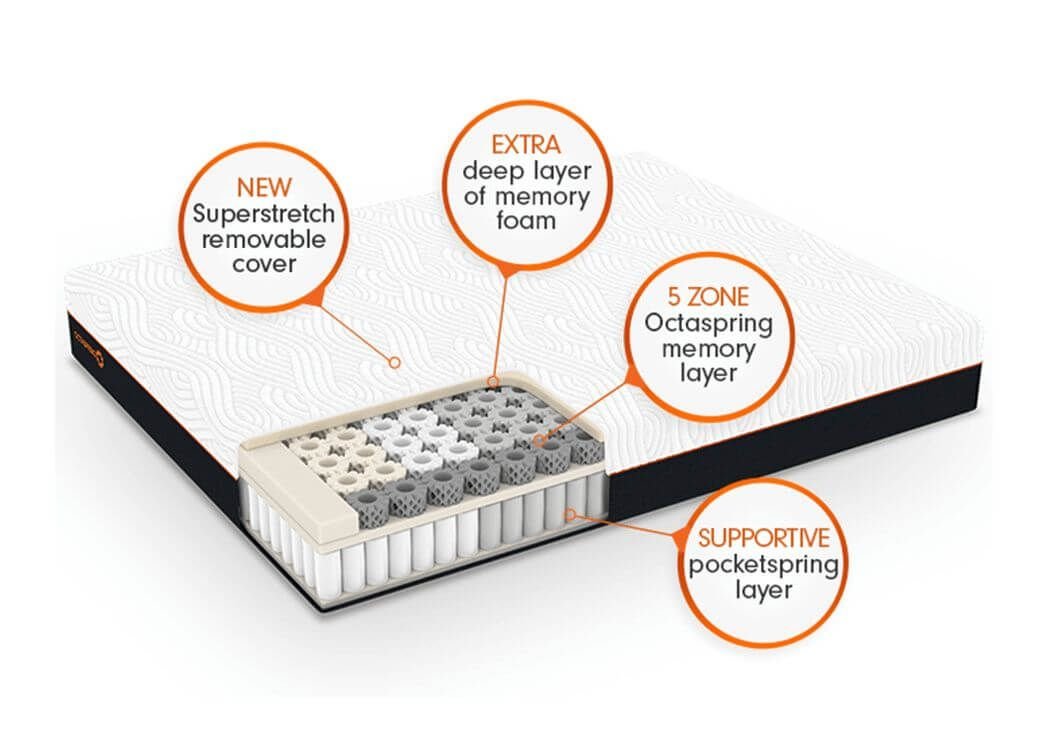
A pocket spring mattress contains hundreds or thousands of small springs, each sewn into its own fabric pocket. Because the springs work independently, one part of the mattress can compress while the rest stays put. That is what lets it follow your body’s shape while still pushing back.
Layers of fibre, wool-type or foam fillings sit on top of the springs for comfort. The mattress then feels firmer and more ‘on top’ than foam, with a natural bounce that makes it easy to change position.
Who pocket spring mattresses suit
- Hot sleepers, because air circulates through the spring layer.
- Back and stomach sleepers who like a supportive, level feel.
- Heavier sleepers, who tend to want a responsive core that doesn’t sink too far.
- Anyone who dislikes feeling ‘stuck’ when they turn over.
The trade-off is that you can feel more movement from a partner than you would on foam, particularly on lower-quality spring units. If you want to see how springs and foam compare for side sleeping, our guide to mattresses for side sleepers covers it in more detail.
How does memory foam work and who does it suit?
Memory foam softens with body heat and weight, then slowly returns to shape when you move. It spreads your weight over a larger area, which can ease pressure on hips and shoulders. The feel is slow, cushioned and hugging.
It also absorbs movement well, so if your partner tosses and turns, you are less likely to notice. That makes it a popular pick for light sleepers and couples.
Pros and cons of memory foam
- Pros: pressure relief, very good motion isolation, a quiet mattress with no spring noise.
- Cons: can feel warm, slower to respond when you change position, and some people find the sinking sensation restrictive.
Foam quality matters. Denser foams generally hold their shape for longer, while thinner or lower-density layers can soften and dip sooner. Look at the layers described, not just the words ‘memory foam’. Browse the Memory Foam Mattresses range to compare constructions.
What is a hybrid mattress and what do you get from combining both?
A hybrid mattress pairs a pocket spring core with a layer of memory foam (or similar comfort foam) on top. In plain terms, the springs do the supporting and the foam does the cushioning. You get some of the pressure relief of foam with the airflow and bounce of springs.
Some versions go further. A tri-brid style, such as a memory micro pocket sprung mattress, adds a second, finer spring layer for extra contouring. Others, like this 2000 pocket sprung hybrid, focus on temperature-friendly fillings.
The trade-offs are weight and bulk. Hybrids are often heavier to handle, so check your stairs and doorways before delivery. If you are choosing between pocket spring mattress vs hybrid, ask yourself whether you want the springs to dominate the feel (go pocket spring) or want a softer, more cushioned surface with the same support underneath (go hybrid).
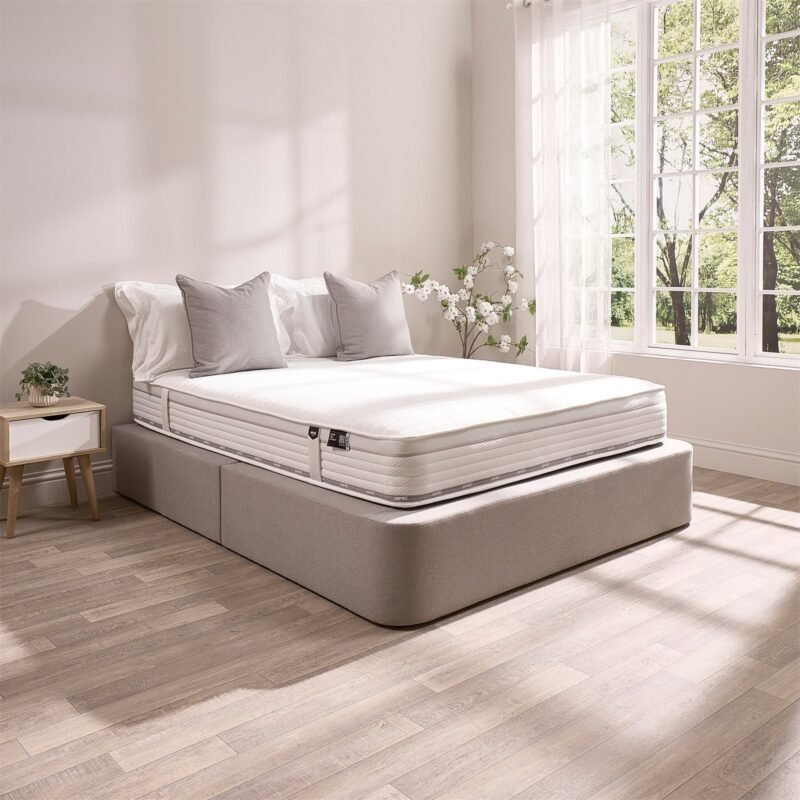
Pocket spring mattress vs foam for hot sleepers, couples and heavier sleepers
Your sleep situation often settles the decision faster than any spec sheet. Here is how the types usually fit.
Hot sleepers
Pocket springs usually sleep coolest because air moves through the spring core. A hybrid is the next best option. If you love the feel of foam, look for open-cell or ventilated constructions and a breathable cover, and expect it to sleep a little warmer.
Couples
If one of you moves a lot, memory foam or a hybrid with a foam top will reduce the ripple effect. A well-made pocket spring mattress with individually wrapped springs also performs well, and it makes it easier to shift position. If you have different preferences, a hybrid is a sensible middle ground.
Heavier sleepers
Heavier sleepers tend to need a firmer, more supportive core. Pocket spring or a firmer hybrid is usually the better fit, as thinner foam can compress fully and stop supporting. Look for a higher spring count and firmer rating. For example, a firm 2200 pocket sprung hybrid is built with this kind of support in mind.
Which mattress works with your base?
The base underneath changes how a mattress performs, so check this before you buy.
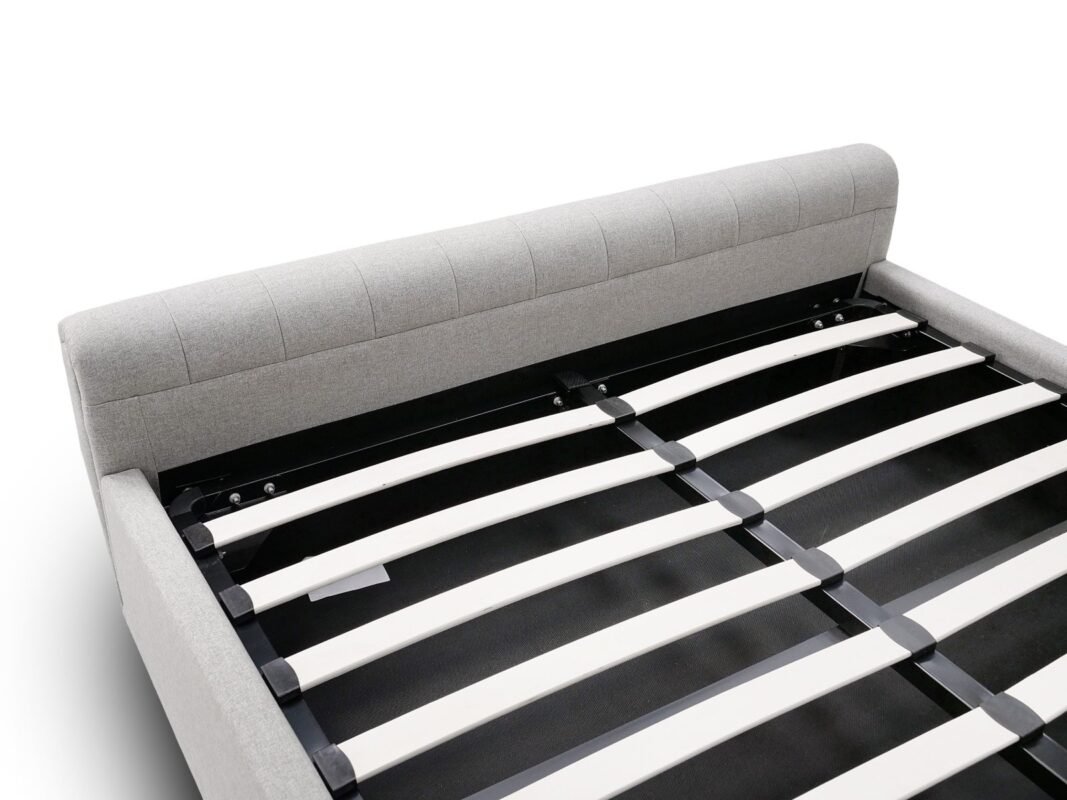
- Slatted bases: pocket spring and hybrid mattresses are generally fine. Foam mattresses need slats set close together, as wide gaps can let the foam sag between them.
- Solid or platform tops: foam can trap moisture on a solid surface, so choose a mattress with a breathable cover, and air it regularly. Pocket spring and hybrid cores let more air through.
- Ottoman beds: the base lifts up to reveal storage the size of the mattress. Most have a solid platform top, so ventilation matters. Pocket spring and hybrid mattresses usually cope better, but turn and air any mattress now and then.
- Divan bases: work well with all three types. Just check that the mattress depth suits the headboard height.
If you’re unsure, check the bed frame description for slat spacing or base type before choosing.
What mattress size should you choose, and what should you measure?
Common UK sizes are a single (90 x 190cm), small double (120 x 190cm), double (135 x 190cm), king size (150 x 200cm) and super king (180 x 200cm). A king size gives each sleeper noticeably more width than a standard double, but it needs a bigger room and bigger bed frame.
- Measure the bed frame’s inside dimensions and match them to the mattress size, as frames and mattresses should line up closely.
- Measure the room and leave at least 50-60cm of walking space around the bed where you can.
- Measure doorways, stairs and landings, especially for hybrids and larger sizes, which can be heavy and awkward to carry.
- Check the mattress depth against any headboard, footboard or ottoman lid.
Heavier mattresses are worth planning for, as they are harder to move up narrow stairs. Our pocket spring mattresses in the UK come in a range of sizes, so you can match your frame closely.
How do you decide, and what should you check in the product description?
Start with how you sleep, then work through the details below.
- Spring count: higher counts generally mean more individual springs and finer contouring, but counts vary by size, so compare like for like.
- Layers: look at what sits above the springs. Natural fibres, foam or both change how warm and soft it feels.
- Firmness rating: medium suits many people, firm often suits heavier sleepers and back sleepers, and softer feels suit lighter side sleepers.
- Cover: a breathable, quilted or removable cover helps with temperature.
- Special needs: anti-allergy fillings or a children’s mattress option if relevant, such as a kids’ anti-allergy pocket sprung mattress.
A simple shortcut: choose pocket spring if you sleep hot or want a lively feel, memory foam if you want maximum pressure relief and quiet, and a hybrid if you can’t decide or share a bed with someone who prefers the opposite.
Conclusion: which mattress wins?
There isn’t one winner. Pocket spring wins on airflow and bounce, memory foam wins on contouring and motion isolation, and hybrid wins if you want a balance. Match the type to your sleeping position, your partner and your bed base, and you’ll be well placed to choose.
We offer free delivery to the UK Mainland, and our price match guarantee is subject to terms. Browse the full Furnmart range of Beds, Mattresses, Sofas and Furniture, with delivery across UK Mainland and Multiple Payment Options.
Frequently asked questions
Is a pocket spring mattress better than memory foam?
Neither is better for everyone. Pocket spring mattresses tend to sleep cooler and feel more responsive, while memory foam gives closer contouring and better motion isolation. Choose based on your sleeping position, temperature and whether you share the bed.
Do hybrid mattresses sleep hotter than pocket spring mattresses?
Usually slightly, because the foam layer on top holds a little more warmth than fibre fillings. The spring core still lets air circulate, so most hybrids sleep cooler than full foam. Look for breathable covers and temperature-focused fillings if you run hot.
Can I put a memory foam mattress on a slatted bed?
Yes, as long as the slats are close together. Wide gaps can let foam sag and wear unevenly. Check the bed frame description for slat spacing before you order.
Which mattress is best for an ottoman bed?
Pocket spring and hybrid mattresses are usually the easier choice because their cores allow more airflow over a solid platform top. Foam can work too, but air it regularly and pick a breathable cover.
Is a king size mattress worth it over a double?
If you share a bed and have the room, a king size at 150 x 200cm gives each person more width and extra length. Measure your room first, leaving 50-60cm around the bed where possible, and check that it will fit through your doors and stairs.
What does spring count mean on a pocket spring mattress?
It is the number of individual springs in the mattress, usually quoted for a particular size. More springs generally mean finer, more localised support. Compare counts for the same size, and also check the layers and firmness rating.